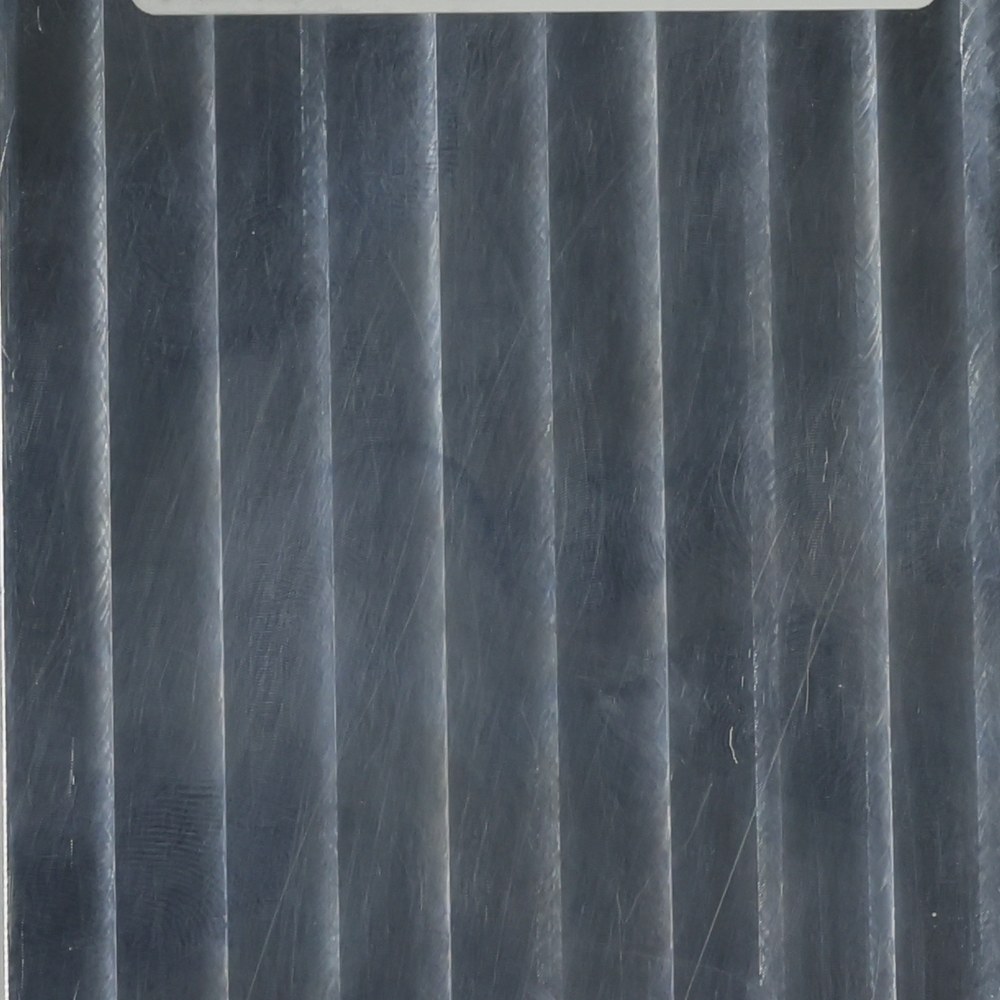
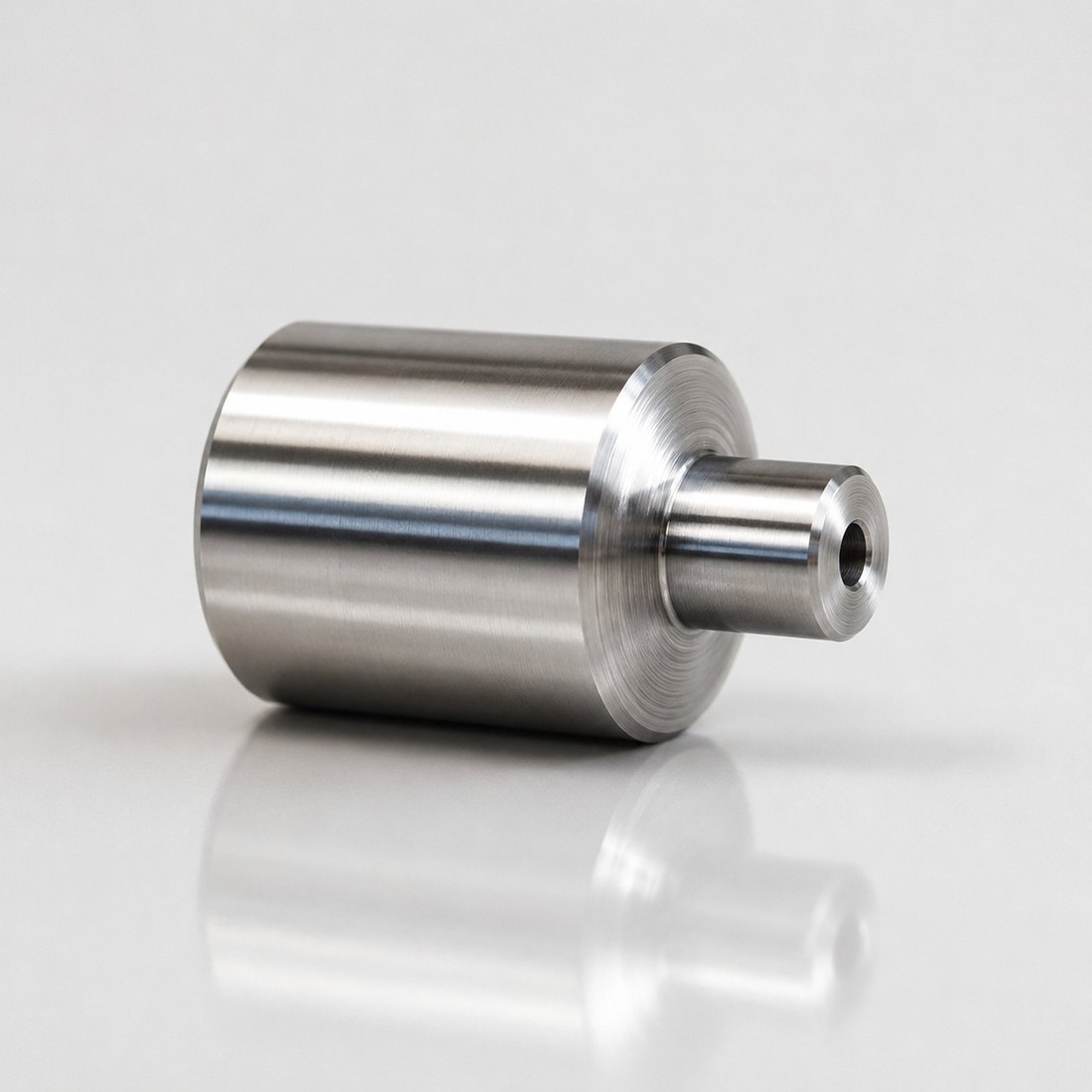
As-machined
AppearanceRa 3.2 µm; machining marks visible
Best forTight tolerance, fast turnaround, cost efficiency
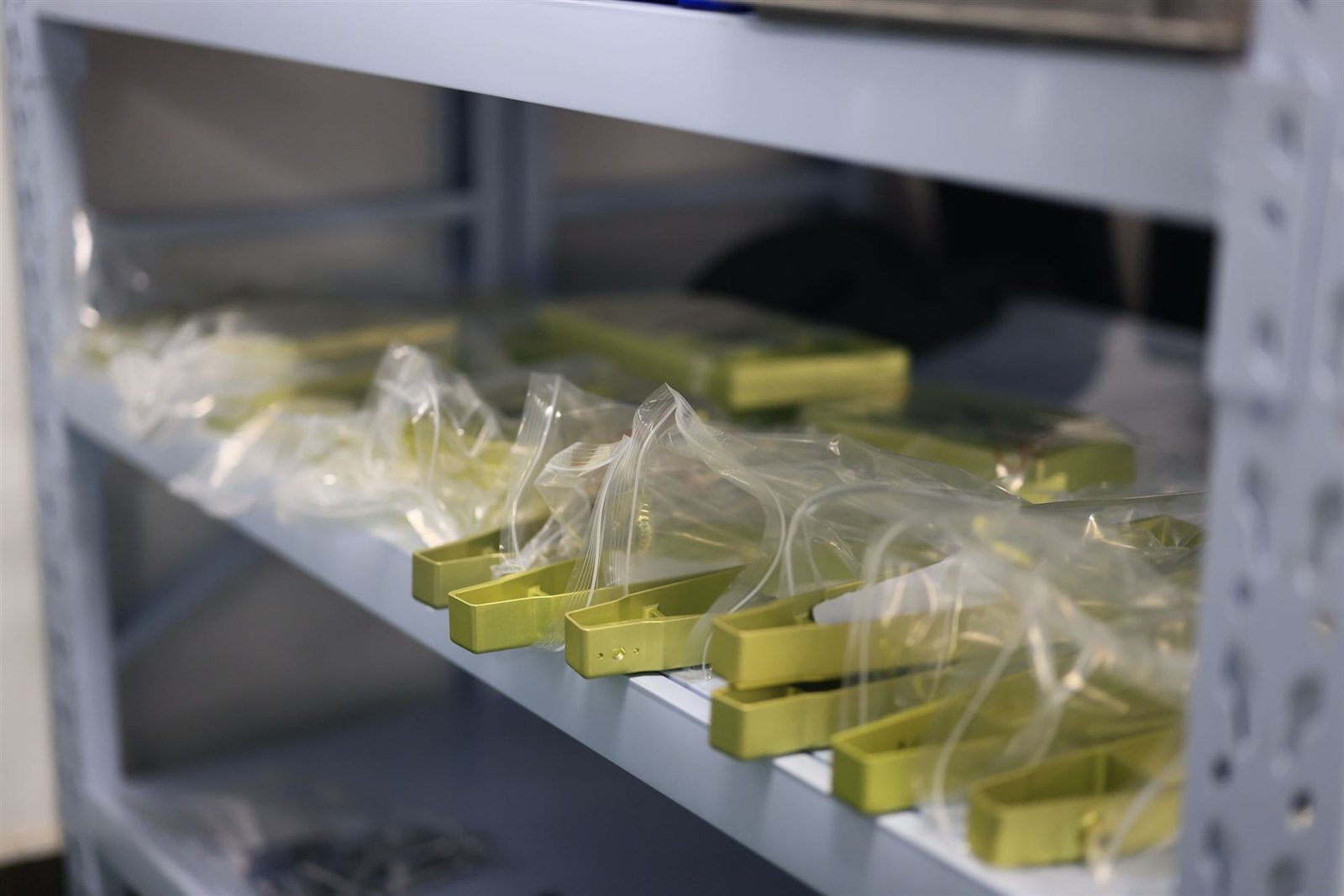
Surface Treatments
Finishing that improves corrosion resistance, wear resistance and cosmetic quality, matched to your drawing.
Why treat surfaces?
Improve durability, corrosion resistance and appearance so parts last in service.
Consistent colour, texture and surface quality across every part in a batch.
Protect parts from wear and environmental exposure in demanding applications.
Finishes
Each finish trades off appearance, protection and cost. Tell us the function and we'll recommend the right one at DFM review.
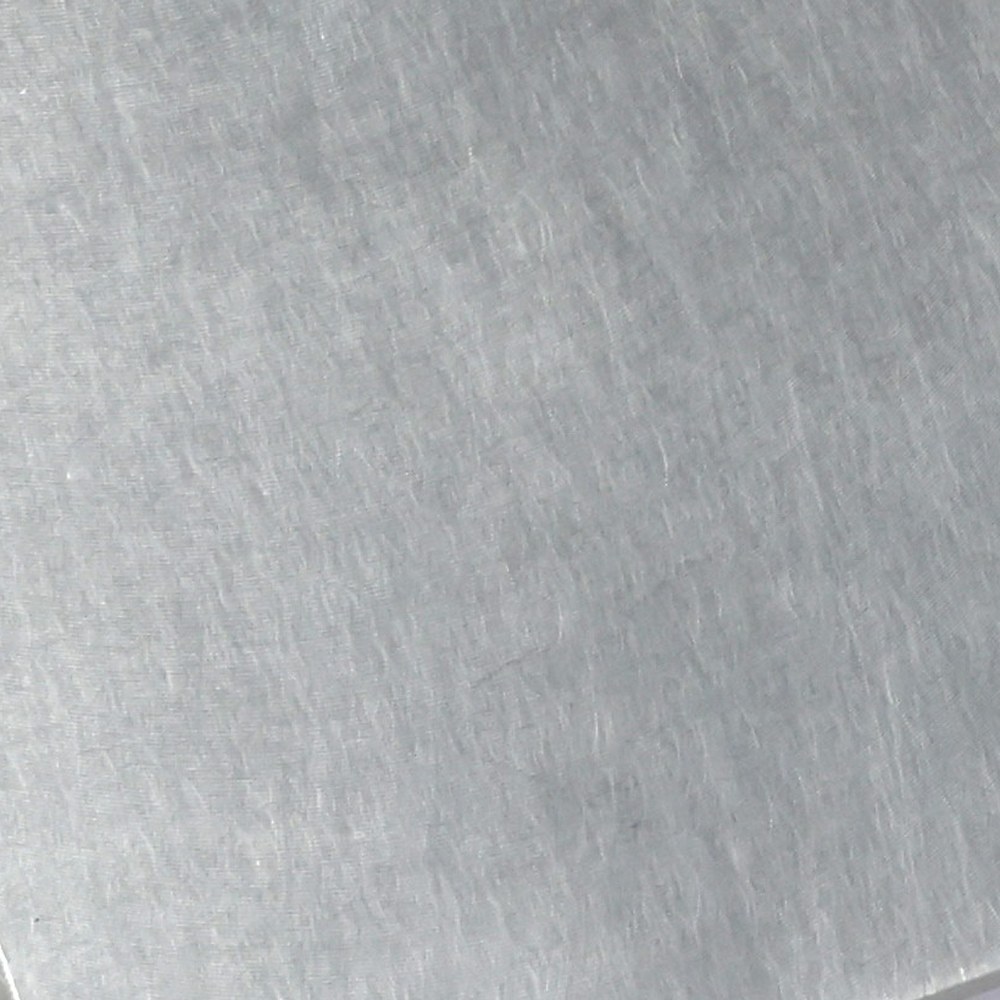

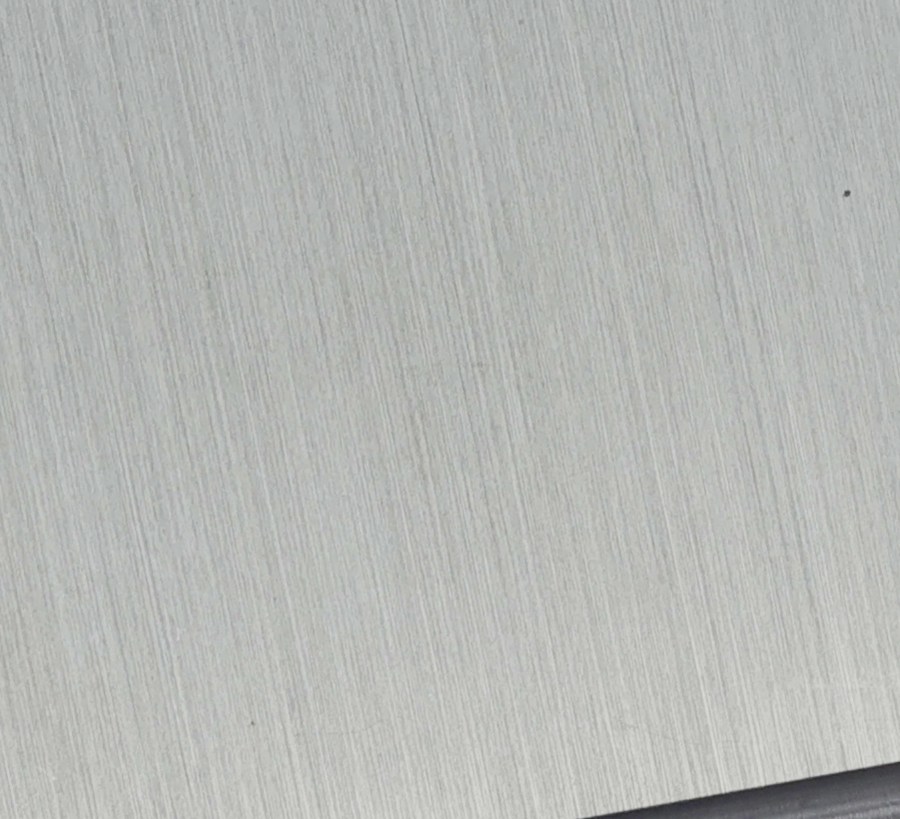
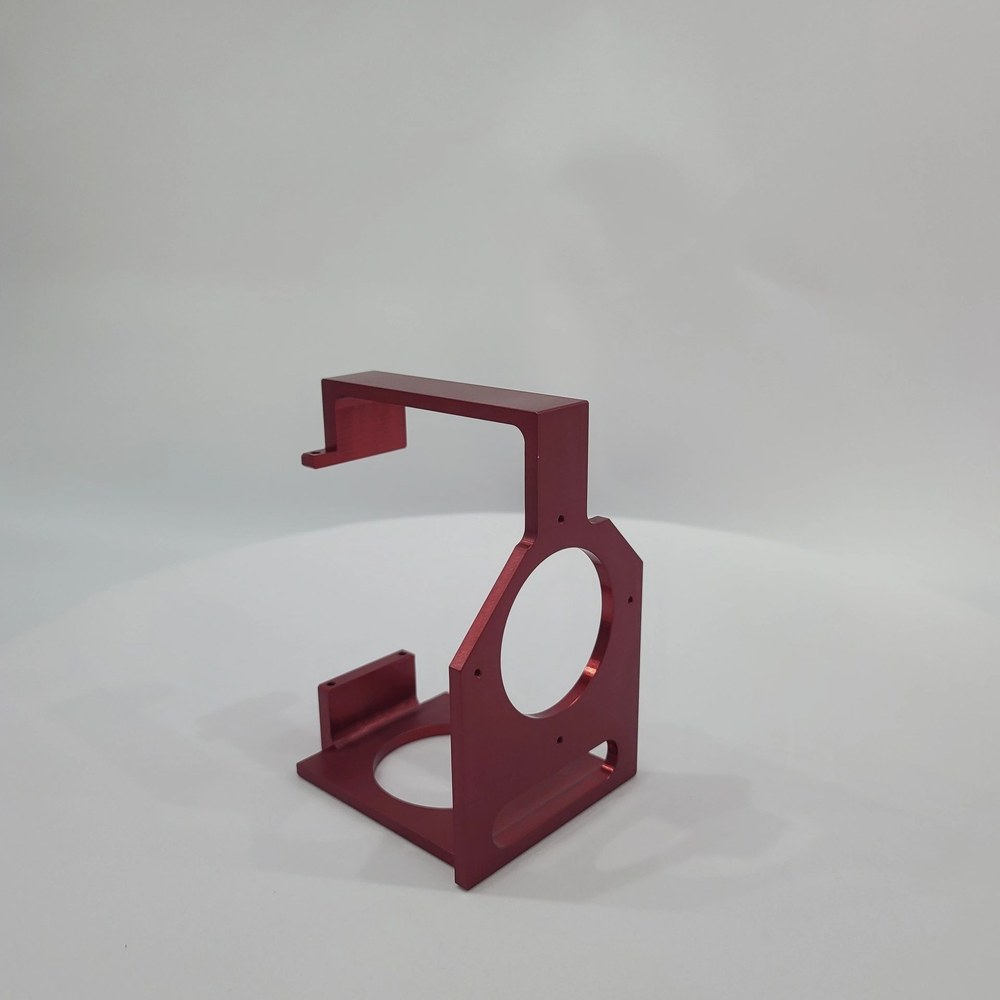
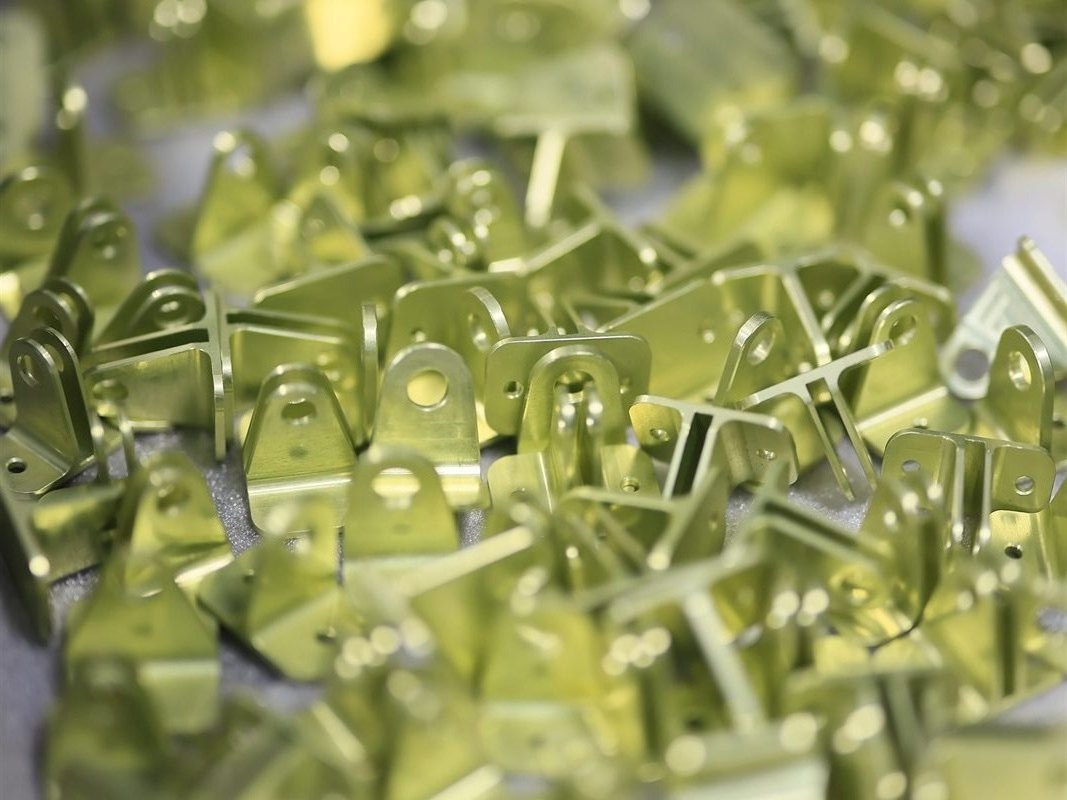
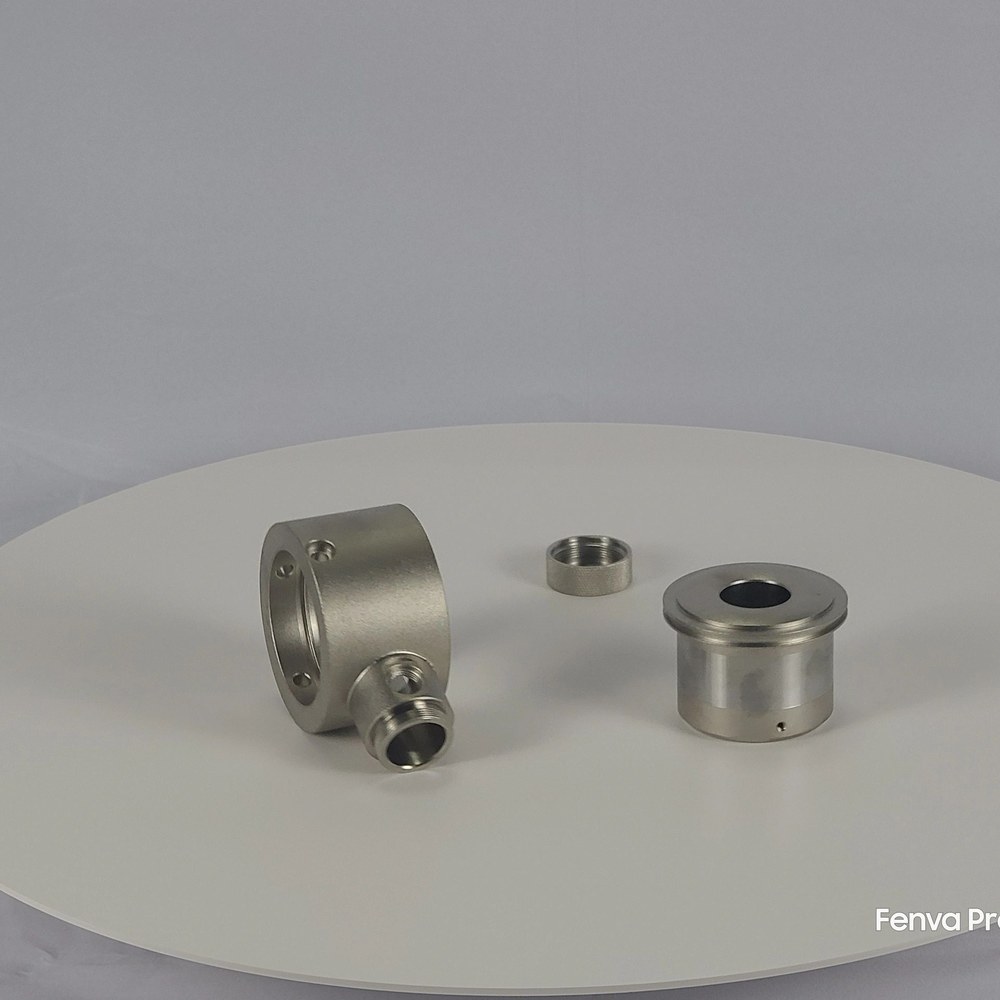
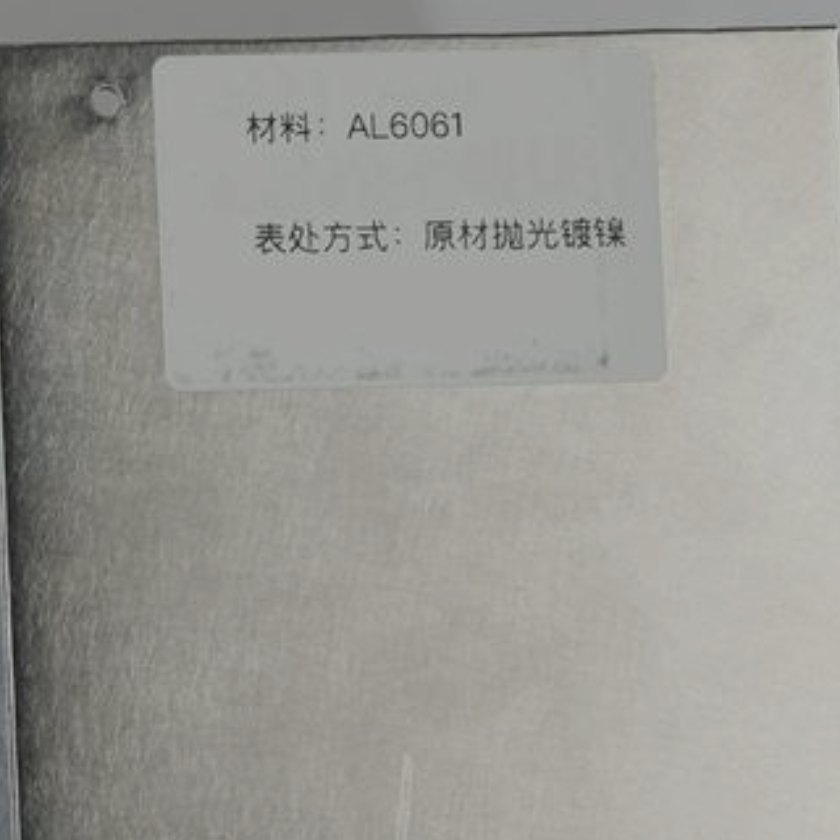
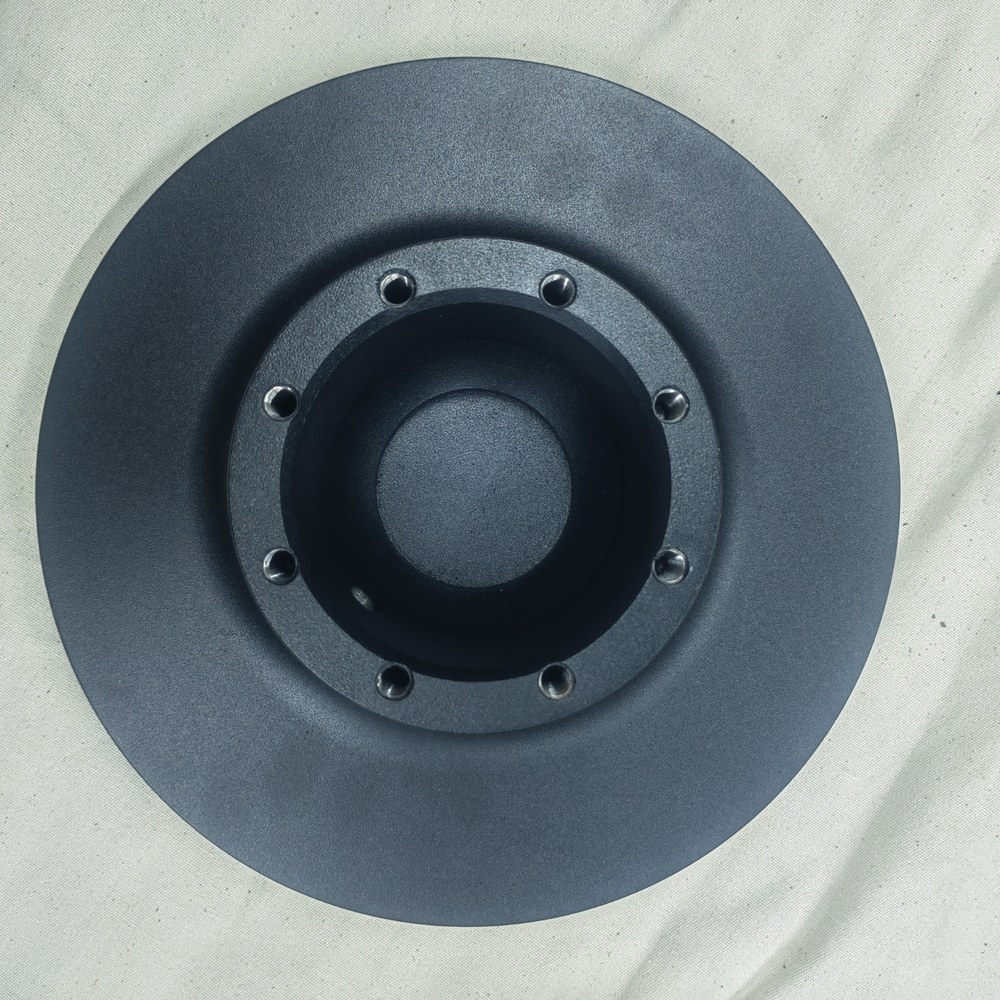
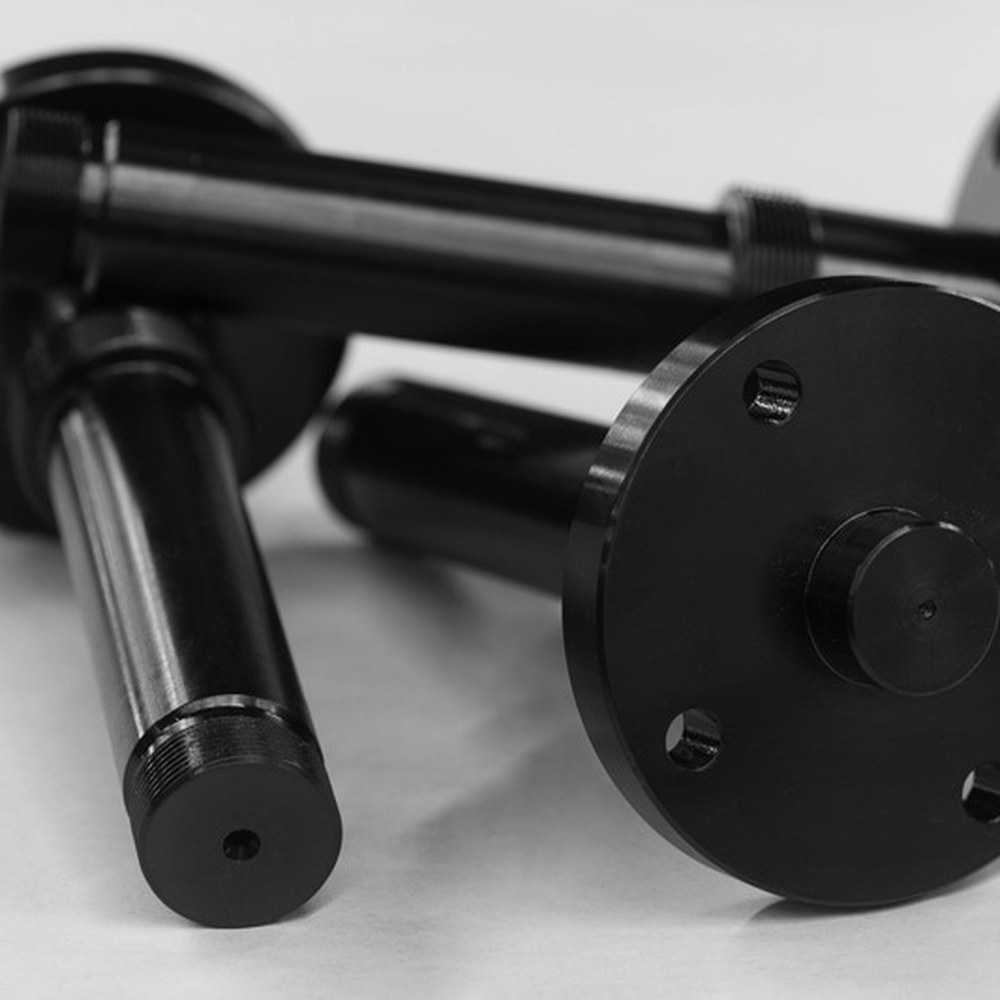
Need something not listed here, painting or a specialised coating? Contact us for availability.
Ask about a finishSome finishes affect final dimensions, call out critical surfaces on your drawing so we plan stock and masking accordingly.
How we work together
Eight clear steps, with typical lead times so you can plan.
Send your drawings with quantity, material and finish. NDA on request.
A detailed, line-item quote with lead time, typically within one business day.
DFM feedback on finish, masking and critical surfaces before we start.
Order confirmation, certified material procurement, fixturing and CAM programming.
Machining and finishing with first-article and in-process checks.
Final in-house inspection — a sampling check (typically ~5%, more on small runs); full 100% inspection on request. CMM and dimensional reports available.
Protective packaging, full traceability and worldwide shipment.
Ongoing engineering support and repeat-order planning as you scale.
Good to know
Surface treatments such as anodizing, plating, powder coat and passivation run as a batch and carry a minimum lot charge. Coating one part costs close to coating ten, because the line processes a whole lot either way. Like a fixture, it spreads thin over a larger order and weighs heavily on a single piece.
Some finishes (chrome plating, nickel plating, powder coat, black oxide) are run by specialist finishing partners we coordinate for you, so you still deal with one supplier. On a small order each finish travels out as its own small batch, carrying that partner’s minimum charge and freight both ways, and a specialty finish may go to a specialist further afield, adding a little to cost and lead time. We will help you reach the finish you want; it just helps to know that several different finishes across a few parts carry more of this overhead than one finish on a larger batch.
Get started
Send your drawings with the finish you need and we'll quote within 48 hours, no minimum order.
Your drawings stay confidential.