Finishes for gearbox housings
As-machined, bead blast, clear, black and colour anodize (Type II) and hard anodize (Type III) for aluminium housings; black oxide, zinc plating or protective oil for steel carriers and shafts.
See the Finish Library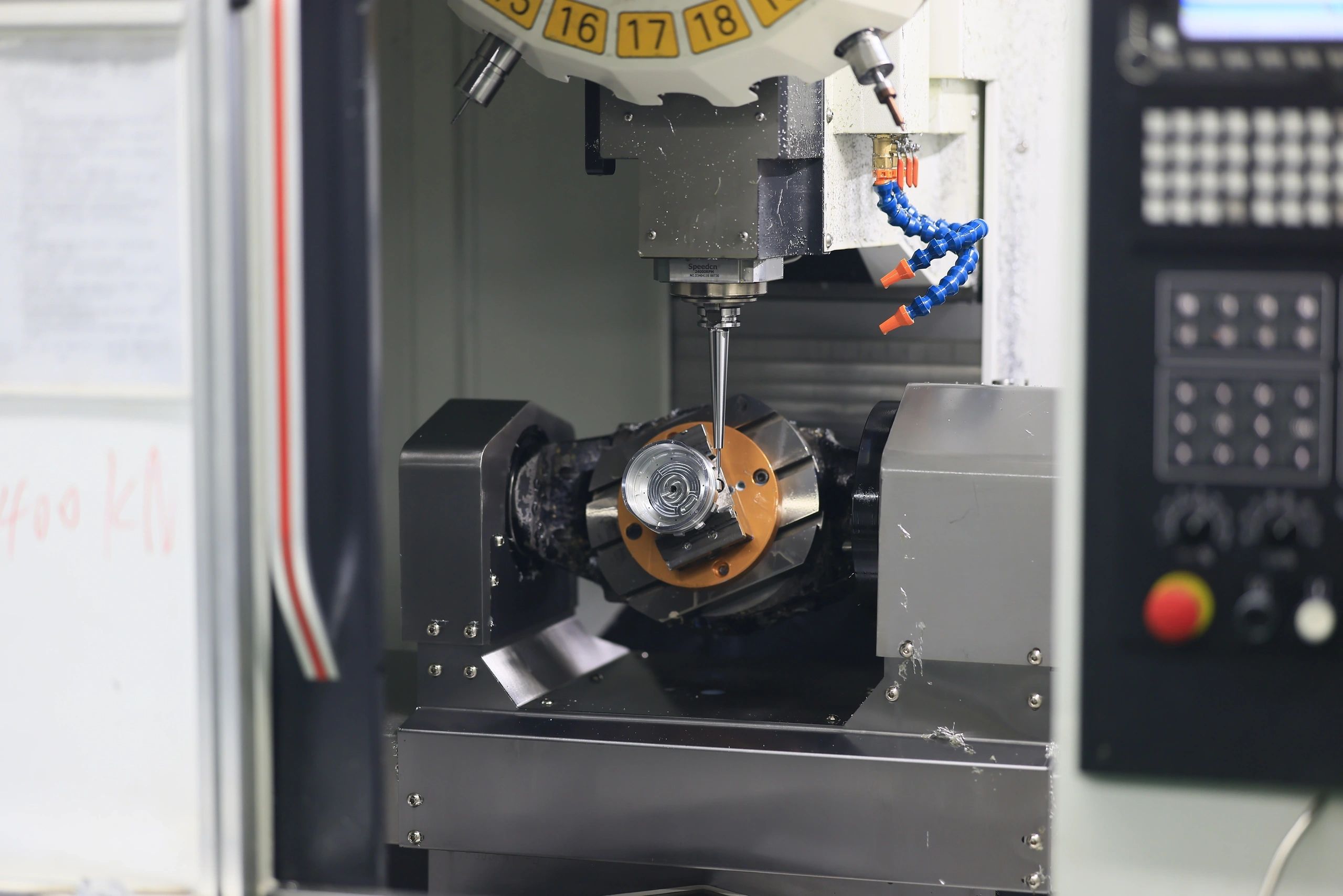
Capabilities · Gearbox & reducer housings
Gearbox housing machining for robotics, automation and motion drives: paired bearing bores to H7 and tighter, coaxiality controlled, bores masked through anodize. 6061-T6 and 7075 aluminium, machined to your drawing in our factory in China and inspected in-house.
A gearbox housing is judged by how well it holds its gears in line. The bearing seats at each end define the shaft axes, so their size, their coaxiality and their position relative to each other decide whether the gearset runs quietly or wears early. Bore diameter is the easier part; holding the relationship between bores is the harder one. Fenva machines planetary gearbox housings, reducer housings, gear casings and the planet carriers and bearing blocks that go with them, from prototype sets to production batches, factory-direct from our plant in China.
Part families
| Part family | Material we reach for | What the drawing usually controls |
|---|---|---|
| Planetary & multi-stage gearbox housings | 6061-T6 / 7075 aluminium | Stepped bearing and ring-gear seats, coaxiality between stages, bolt-pattern position |
| Inboard / outboard housing pairs & gear casings | 6061-T6 aluminium | Matching bore pairs across the split, parallelism and position to shared datums |
| Robot gearbox, actuator & motor housings | 6061-T6 / EN AW-6060-T6 aluminium | Interference-fit stator or bearing bores, thin walls, flat output flange, bare-metal grounding faces |
| Planet carriers | Aluminium / structural steel | Pin-bore position and spacing, symmetry, flange perpendicularity to the output axis |
| Bearing blocks, mounts & end covers | 6061-T6 aluminium | Bore cylindricity and coaxiality, perpendicularity of the bore to the mounting face |
| Input, output & idler shafts | 4140 Q&T / stainless steel | Bearing seats to k6 / p6, runout to the bearing axis |
These are the grades we run most often for gearbox work. Other grades from our materials list are available on request.
Planetary, harmonic and cycloidal designs. We machine planetary gearbox housings and planet carriers to print. We have also quoted harmonic (strain-wave) reducer housings, turned cup-shaped bodies with stepped bearing and ring-gear seats held to 0.01–0.03 mm, and thin 17-4PH cycloidal discs. Whatever the reducer type, send the drawing and we confirm the process at DFM review before quoting it.
How pin-bore accuracy in the planet carrier affects load sharing →
Capability
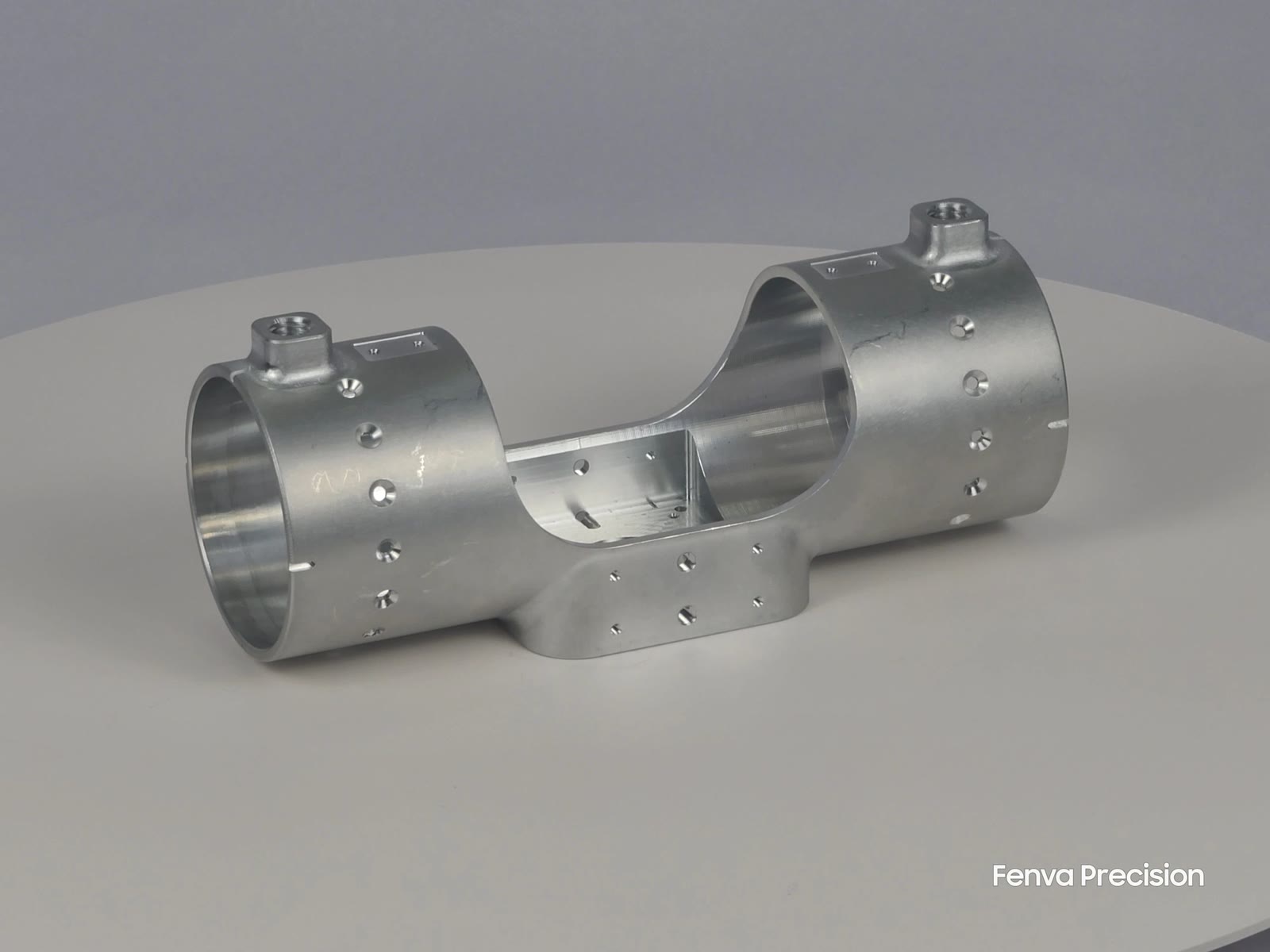
From our order records
A summary of gearbox and reducer parts from our recent orders and quotes. Customer names, part numbers and drawings stay confidential.
Robot actuator housing machining: coaxial bores and thin walls →
As-machined, bead blast, clear, black and colour anodize (Type II) and hard anodize (Type III) for aluminium housings; black oxide, zinc plating or protective oil for steel carriers and shafts.
See the Finish LibraryPart of the anodic film builds outward, so an unmasked bore closes: roughly 2–3.5 µm for a 3–5 µm Type II film and 8–25 µm for Type III hardcoat. We mask bearing bores, threads and sealing faces before anodizing, and finish-machine bare-metal features after anodizing where the drawing calls for it.
Bead blast and anodize for robot parts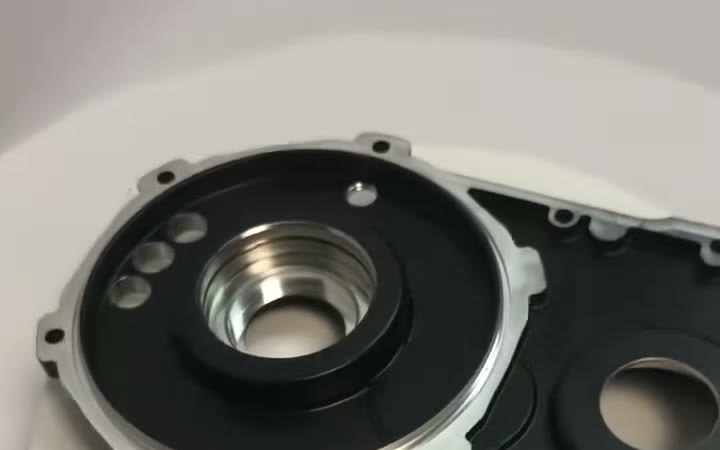
Why Fenva
ISO 9001:2015, IATF 16949:2016 and AS9100D, with full material traceability and first-article inspection on every order.
Machining, anodizing coordination, inspection and export run under one roof, with one project contact from quote to delivery.
We machine strictly to your drawing and take full responsibility for the result.
FAQ
Planetary and multi-stage gearbox housings, inboard and outboard housing pairs, gear casings, motor and actuator housings, end covers, planet carriers and bearing blocks, mostly for robotics and automation drives. We have also quoted harmonic (strain-wave) reducer housings and cycloidal discs. Send the drawing and we confirm the process at DFM review.
Bearing and gear seats to ISO 286 fits such as H7, N7, J7 and P6, and interference fits such as U6 on large bores. Milled features can be held down to ±0.005 mm where the function needs it; general tolerance is ISO 2768-m unless the drawing says otherwise.
Bores that share an axis are machined in one setup wherever the geometry allows, often on 5-axis equipment, so their relationship does not depend on re-fixturing. Coaxiality is then checked on CMM against the datums on your drawing.
It can. Part of the anodic film builds outward, so an unmasked bore closes. A 3–5 µm Type II film reduces a bore by roughly 2–3.5 µm; Type III hardcoat by roughly 8–25 µm. We mask bearing bores, threads and sealing faces before anodizing, and where a drawing calls for bare metal we can finish-machine those features after anodizing.
Most housing work is 6061-T6 aluminium; 7075 where more strength is needed, and EN AW-6060 or 6082 where the drawing specifies it. Planet carriers and shafts are also made in structural, alloy and stainless steels such as S235, 4140 and 17-4PH.
No minimum order quantity; a minimum order value of US$1,000 per order applies, and samples are exempt. Lead time is typically 10–15 business days for prototypes and 15–30 for production, confirmed on the quote. Quotes are returned within 48 hours.
Yes. An NDA is available on request and we are happy to sign first, on your template or ours. Your drawings and models are used only to make your parts and are never shared without permission.
Every order gets first-article, in-process and final inspection on CMM and vision measuring equipment in a temperature-controlled lab. Dimensional, CMM and first-article reports and EN 10204 3.1 material certificates are available on request, and an inspection report ships with the order.
Keep exploring
Get started
A 3D STEP file plus a 2D PDF with the bore fits, datums, quantity, material and finish gives the most accurate quote. No minimum order quantity.
An NDA is available on request.