
Engineering DFM review of a 3D model for CNC machining

设计指南

CNC 加工可行性(DFM):壁厚、圆角、孔深、螺纹、倒角

A handful of design choices decide whether a part is fast and economical to machine or slow and risky to make. Below are the ones that matter most, with simple rules of thumb that keep a design easy to manufacture.

The rules of thumb

Design-for-machining starting points. (DFM means shaping a part so it's straightforward to machine.) We check every drawing against these before machining begins.
FeatureRule of thumbWhy it matters
Wall thickness≥ ~0.5 mm (metal), ~1.0 mm (plastic)Thin walls vibrate and warp under the cutter
Internal radius≥ the tool radius (or add a corner relief)A round cutter can't carve a perfectly sharp inside corner
Hole / pocket depth≤ ~4–6× the tool diameterGo deeper and the tool flexes, so it needs special tooling
ThreadsStandard size + class; avoid bottomingKeeps tooling simple and cost down
ChamfersA chamfer running into a wall stops short of the edgeThe cutter needs room to pull away
Text / logosEngrave (recessed), ≥ ~0.25 mm strokeRaised text means cutting away the whole surface around it
TolerancesGeneral tolerance + flagged critical dimsTight callouts multiply both machining and inspection cost

Wall thickness

Below about 0.5 mm in metal, a wall is too thin to resist the cutting force: it vibrates (machinists call this "chatter") and warps, leaving a rough surface and dimensions that fall out of tolerance. The remedy is straightforward — thicken the wall, or reinforce it with ribs.

Internal radii

Milling cutters are round, so a milled inside corner always carries the radius of the tool — it can never be perfectly sharp. Give each inside corner a radius at least as large as the tool, or add a corner relief (a small undercut tucked into the corner). A dead-sharp internal corner can't be milled at all; it forces slow, costly EDM (electrical discharge machining, which erodes the metal with electric sparks instead of a cutter). When in doubt, an R1 or R2 internal radius is a safe default for general parts.

Hole & pocket depth

A cutting tool can only reach so far before its performance degrades. Past roughly 4–6 times its own diameter, it deflects off course and struggles to clear chips from the bottom of the cut. Deep holes and pockets remain feasible — please flag them early so we can plan the right tooling.

Threads

Use standard thread sizes and fit classes so we can run off-the-shelf taps. Where possible, avoid bottoming threads — threads cut all the way to the floor of a blind hole — because the last turn or two is difficult to form cleanly and slows production.

Chamfers

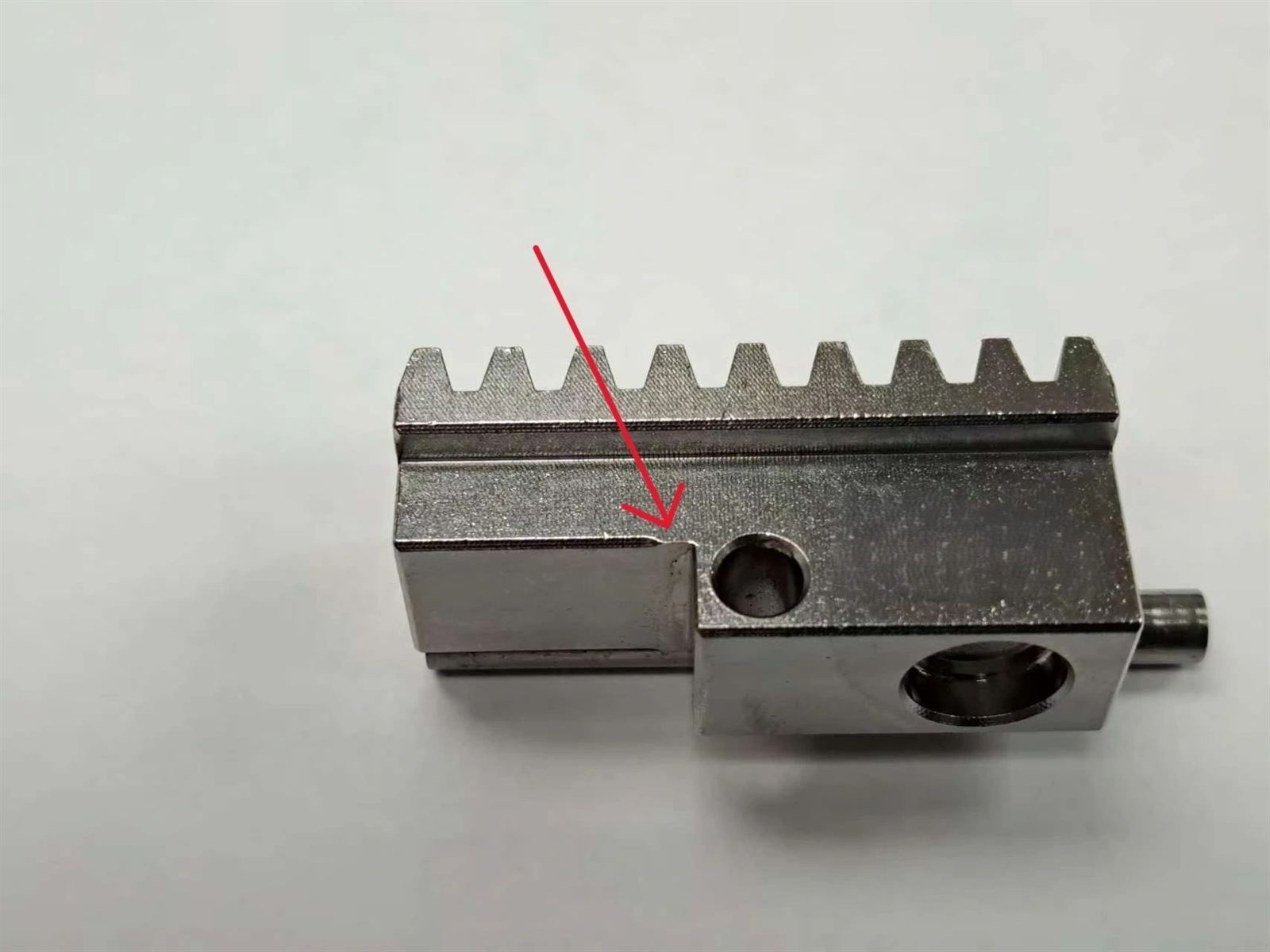
A chamfer — the angled bevel that softens a sharp edge — usually can't reach all the way into a corner where it meets a wall or shoulder. The cutter needs room to pull away from the wall, so it stops a little short and leaves a small un-chamfered stub right at the corner (the photo above shows exactly this). That's a normal consequence of how the tool moves, not a defect. If a chamfer truly must run fully into a corner, flag it at the drawing stage so we can plan tool access or relieve the adjacent face.

Tolerances

A tolerance is how much a dimension is allowed to drift from the number on the drawing. Hold every dimension to a tight tolerance and the same part can cost up to ten times what it would at a general tolerance (ISO 2768-m, a common default). So tighten only the dimensions the part's function actually depends on, and leave the rest at general tolerance. For the full picture, see how ISO 2768 general tolerances work.

From our floor: the single most common DFM issue we flag is a sharp internal corner. Adding a small radius or a corner relief turns an EDM job into a simple milling job, cutting both cost and lead time.

Three quick mistakes

  • Sharp internal corners — add a radius or corner relief so the part can be milled instead of EDM'd.
  • Deep, narrow pockets — the tool flexes and chips can't clear from the bottom.
  • Tall, thin walls with no ribs — they vibrate and warp under the cutter.

The payoff

We review every drawing and flag these issues before machining begins — but addressing them in the design from the start saves an entire revision cycle.

Send your model for a free DFM review See engineering support

几处设计取舍,决定零件是低成本易加工,还是高成本高风险。以下要点最为关键。

经验法则速查

可加工性设计起点 —— 我们每张图加工前都做 DFM 评审。
特征经验值为什么重要
壁厚≥ 约 0.5 mm(金属)、约 1.0 mm(塑料)太薄会颤振、变形
内圆角≥ 刀具半径(或加工艺退刀槽)圆刀切不出尖内角
孔 / 槽深度≤ 约 4–6 倍刀具直径太深刀具让刀、排屑差
螺纹标准规格 + 公差等级;尽量不做盲底螺纹工装简单、成本低
倒角紧挨侧壁的倒角无法做到完全到边刀具需要退刀空间
文字 / 标志刻字(凹),线宽 ≥ 约 0.25 mm凸字要把整片底面铣掉
公差通用公差 + 标出关键尺寸处处收紧会成倍推高加工与检测成本

壁厚

金属壁厚低于约 0.5 mm 时,铣削易引发颤振和变形,请增加壁厚或添加加强筋。

内圆角

内角半径应至少等于刀具半径,或增设工艺退刀槽;尖锐内角需采用耗时且昂贵的电火花加工(EDM)。若一时拿不准,常规零件取 R1 或 R2 内圆角通常较为稳妥。

孔与槽深

深度超过刀具直径 4–6 倍时,刀具易产生让刀现象且排屑困难。请尽早标注深孔/深槽特征,以便我们规划刀具方案。

螺纹

选用标准螺纹规格与公差等级,便于使用通用丝锥;并尽量避免盲孔螺纹攻到孔底——最后一两扣不易成形,会拖慢加工。

倒角

当倒角紧邻侧壁或台阶时,通常无法完全加工至边缘——刀具需预留退刀空间,会在拐角处留下一小段未倒角区域(上图就是这种情况)。此为正常工艺现象,并非缺陷。若某处倒角必须完整延伸至角落,请在图纸阶段注明,以便我们规划刀具路径或对相邻面做工艺让位。

公差

同一零件若所有尺寸均按严格公差加工,成本可能高达一般公差(ISO 2768-m)版本的十倍。建议仅在功能必需的尺寸上标注严格公差,其余沿用一般公差即可。延伸阅读:ISO 2768 通用公差详解

来自一线的经验:我们评审中最常提出的 DFM 问题,就是尖锐内角。仅需增加一个小圆角或退刀槽,即可将电火花加工转为铣削加工,从而降低成本、缩短交期。

三个常见误区

  • 尖内角—— 增加圆角或退刀槽。
  • 深窄槽—— 刀具易让刀、排屑不畅。
  • 高薄壁无加强筋—— 易颤振、变形。

回报

我们对每张图纸均进行 DFM 评审并在加工前指出潜在问题;但若设计阶段即予以考虑,可节省整轮修改周期。
提交模型,随报价附免费加工可行性(DFM)评审 查看工程支持
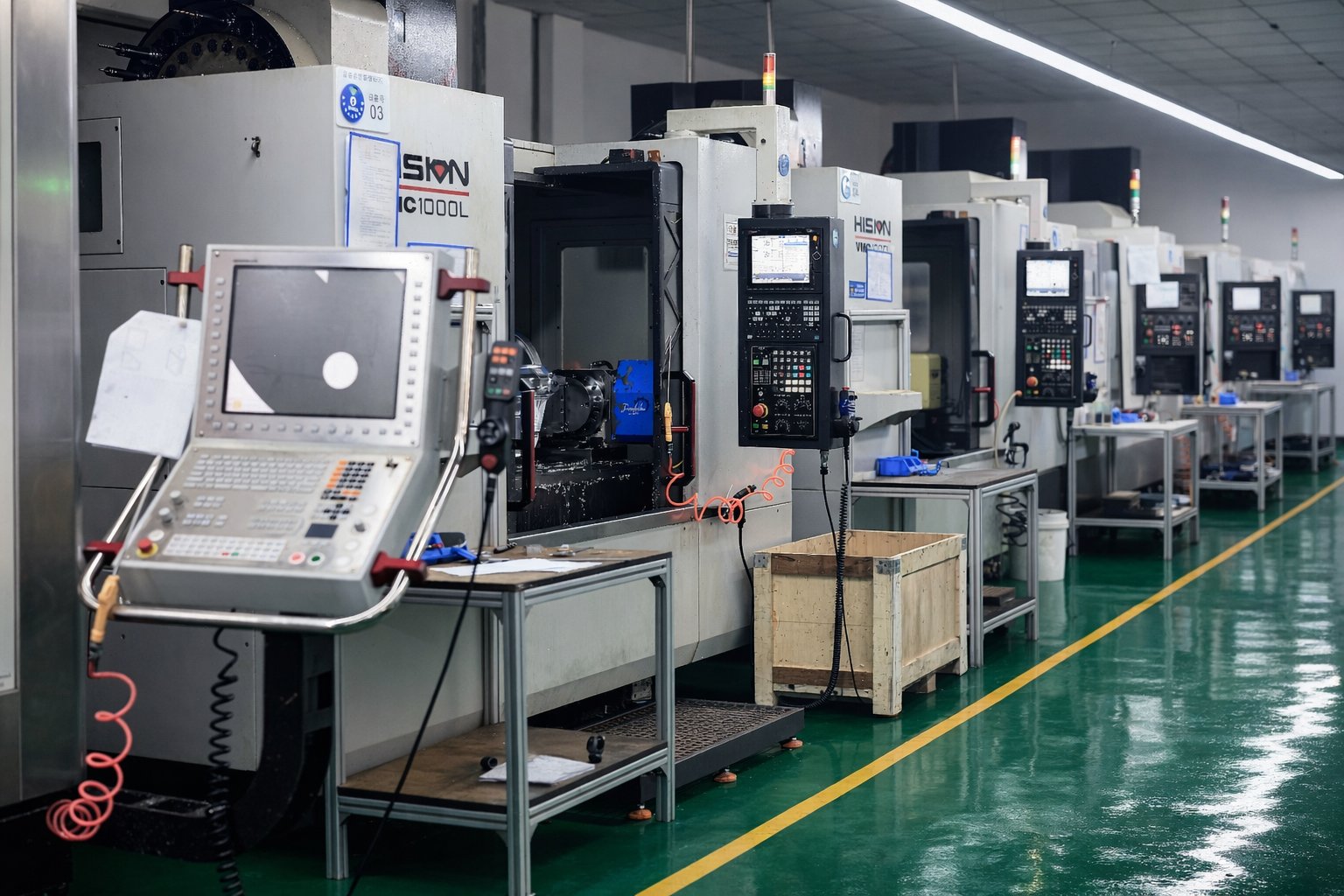
Row of CNC milling machines at Fenva Precision

免费 DFM 评审

加工前先帮你把问题标出来。

提交模型,48 小时内随报价附上可加工性评审报告。