
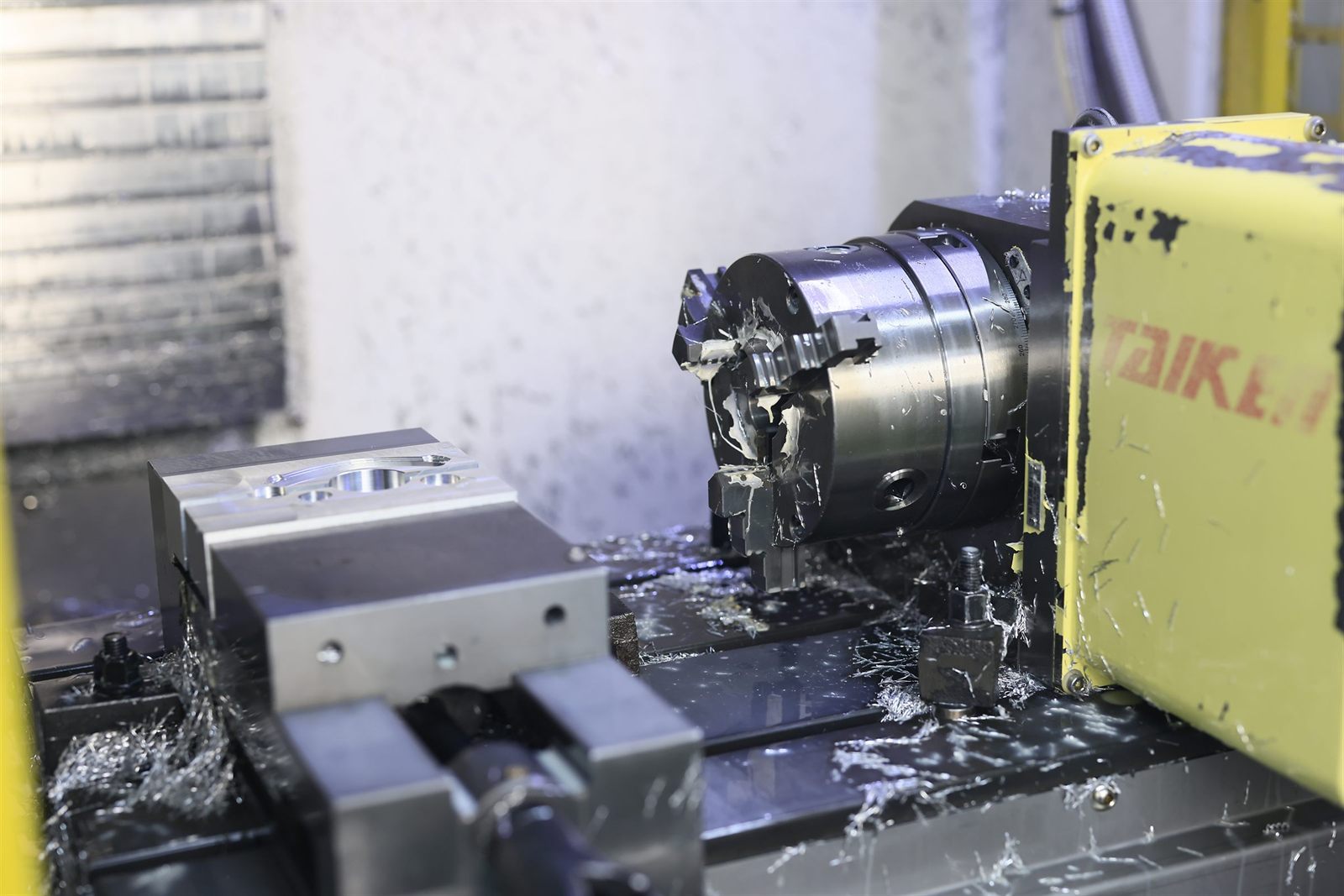
Aluminium component in a 4-axis CNC milling setup

工艺指南

铣削、车削与走心:如何选对工艺

The right machining process is determined by the part's geometry. This guide outlines which process suits which part, and how each one affects cost.

Which process fits which part

We run all of these processes in-house at Fenva, and choose the best fit during our DFM (design-for-manufacturing) review.
ProcessBest forTypical parts
TurningRound, axis-symmetricShafts, pins, fittings, bushings
Milling (3/4/5-axis)Complex, non-round, prismaticHousings, brackets, manifolds, plates
Mill-turnRound + flats/holes in one setupValve bodies, connectors, shafts with features
SwissLong, slender, small-Ø at volumePins, screws, medical & electronic parts
EDM (wire / sinker)Sharp internal corners, hardened metals, fine profilesDies, slots, keyways, hardened tool steel

Turning

The part rotates while a fixed tool cuts into it. Material is removed quickly, which keeps the unit cost low on round parts. There is also a finish advantage: the tool marks left by turning all run in one direction, so they are far less visible than the marks on a milled face.

Milling (3-, 4-, 5-axis)

The tool spins while the part stays fixed, which suits complex, block-like (prismatic) shapes. A 5-axis machine can reach more faces in a single setup, reducing the number of fixtures and holding tighter true position between features.

Mill-turn & Swiss

Mill-turn does both jobs on one machine, turning the round features and milling the flats and holes, which lowers unit cost and shortens lead time. Swiss machining adds a guide bushing that supports the bar right at the point of cut, holding tight accuracy on long, slender, small-diameter parts in volume.

EDM

EDM uses a controlled electrical spark instead of a cutting tool, so it can produce sharp internal corners, cut hardened materials, and reach fine profiles a cutting tool can't.

From our floor: a round part with a couple of flats or cross-holes is usually cheaper to run as a mill-turn job, done in one setup, than as separate turning and milling jobs. Fewer setups mean less handling and tighter dimensional relationships between features.

How to choose

If you are unsure which process your part requires, send us the 3D model. We will select the right one during DFM review and quote within 48 hours.

Send the model, quote in 48 hours See our equipment

加工工艺取决于零件几何形状。本文简述各工艺适用场景及其对成本的影响。

选型对照表

以上工艺 Fenva 均为自有产线,DFM 阶段为您选用更经济的工艺。
工艺适合常见零件
车削回转、轴对称轴、销、接头、衬套
铣削(3/4/5 轴)复杂、非回转、棱柱体外壳、支架、歧管、板类
车铣复合回转 + 平面/孔,一次装夹阀体、连接件、带特征的轴
走心机(瑞士型)细长、小直径、批量销、螺钉、医疗与电子件
电火花(线切割 / 成型)尖内角、硬质材料、精细轮廓模具、槽、键槽、淬硬工具钢

车削

工件旋转、刀具固定,适用于回转体零件,去料速度快、单件成本低。此外,车削刀纹呈单向分布,相比铣削表面更不显眼。

铣削(3/4/5 轴)

刀具旋转、工件固定,适用于复杂棱柱体结构。5 轴加工可在一次装夹中覆盖更多面,减少夹具使用,提高位置度精度。

车铣复合与走心

车铣复合将车削(回转特征)与铣削(平面、孔系)整合于一次装夹中,降低单件成本并缩短交期。走心机通过导套在切削点附近支撑工件,即使批量生产细长小直径零件,也能确保高精度。

电火花

适用于加工尖锐内角、硬质材料以及切削刀具无法触及的精细轮廓。

一线经验:带平面或横孔的回转件,通常采用「车铣复合」一次装夹完成,比分开车削、铣削更经济:装夹更少、转运更少,特征之间的位置关系也更精准。

如何选择

若不确定最佳工艺,欢迎提供 3D 模型,我们将在 DFM 阶段为您选用更经济的工艺,并于 48 小时内提供报价。
提交模型,48 小时内报价 查看设备能力
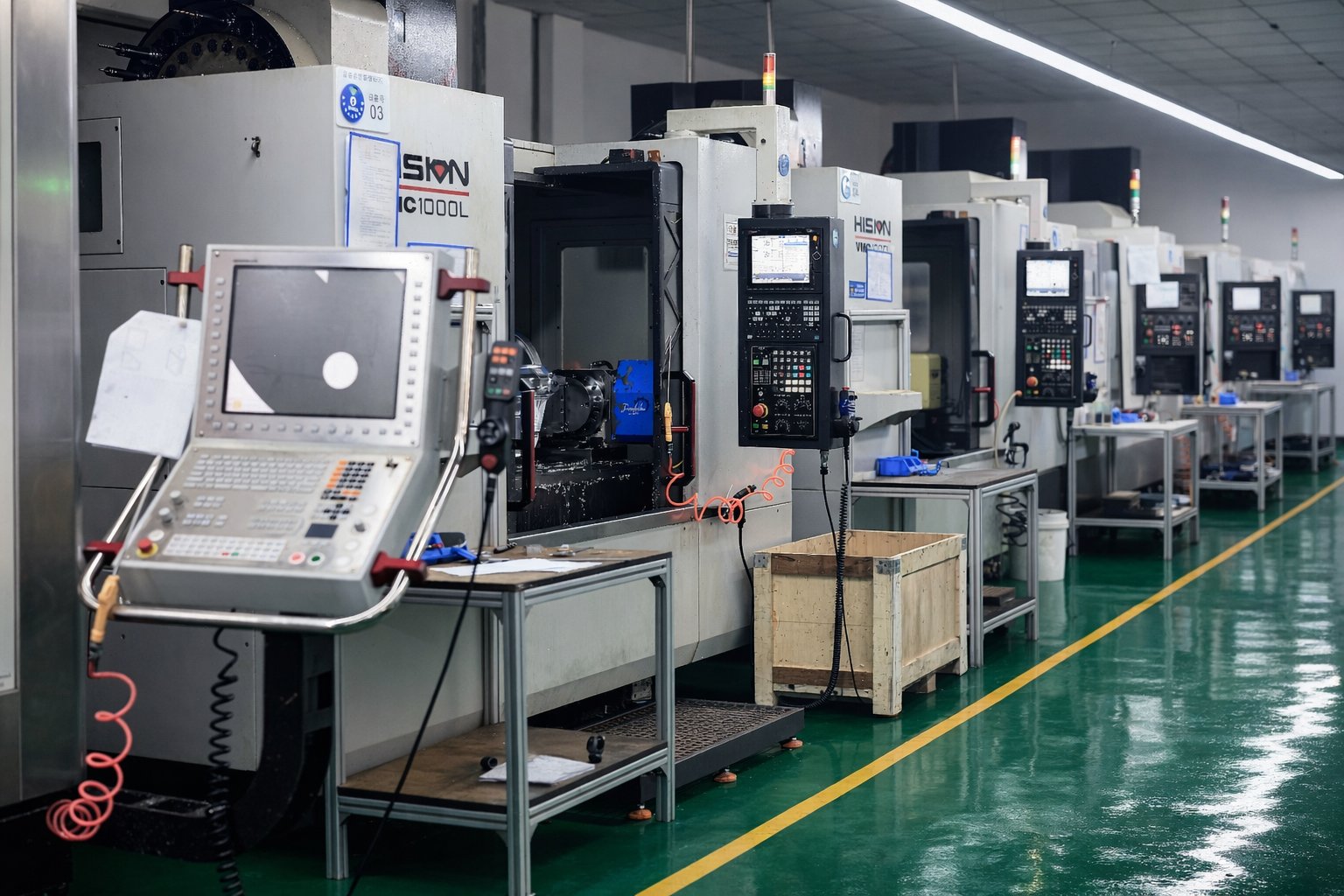
Row of CNC milling machines at Fenva Precision

一家供应商,工艺齐全

我们选更省的工艺。

铣削、车削、车铣复合、走心与电火花均自有产线,提交模型,48 小时内报价。