Many buyers who believe they are sourcing CNC parts from a Chinese factory are in fact buying through a trading company or a broker. You pay for that twice: once in the price, and again in time, every time a question has to be relayed.
This guide explains how buyers end up with a middleman without knowing it, how to tell a trading company from a factory, and what changes when you buy direct.
Why buyers end up with a trading company without knowing it
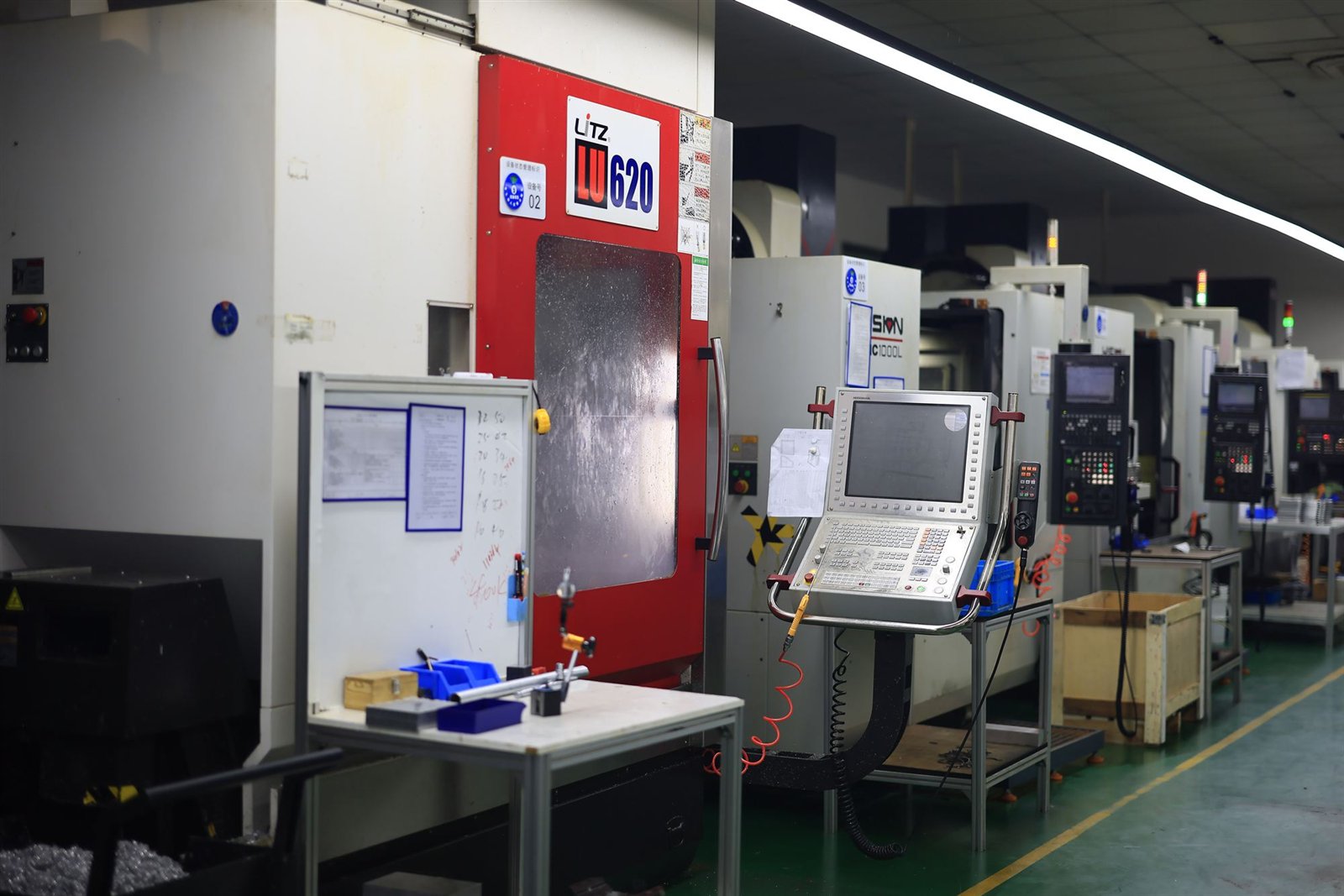
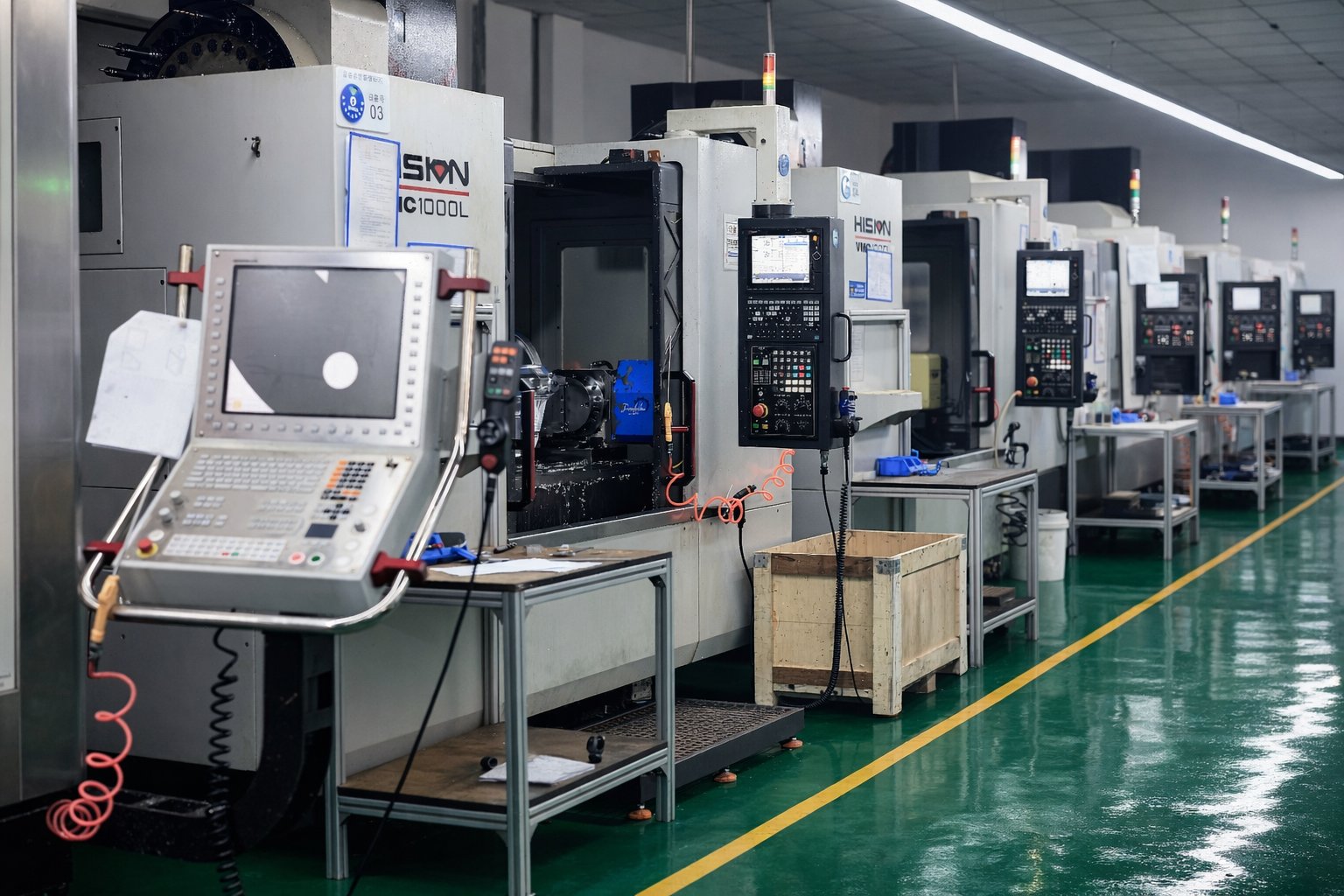
A trading company does not need to look like one. Its website can show machines and production photos, its sales staff can describe "our factory", and its quotes can arrive quickly at a reasonable-looking price. In supplier listings, trading companies and manufacturers often appear side by side, with little to tell them apart.
Once the first order goes well, there is rarely a reason to ask who actually runs the machines. A broker may also place each order with whichever workshop has capacity, so the shop making your parts can change from one order to the next without you being told.
How to tell a trading company from a factory
- Check the business-licence scope. Every company registered in China has a business licence with an 18-character Unified Social Credit Code (USCC) and a registered business scope. Both can be looked up on China's National Enterprise Credit Information Publicity System. A manufacturer's scope normally includes production or processing; a scope limited to sales, trading or import and export points to a trading company.
- Ask who holds the certificates. An ISO 9001 or IATF 16949 certificate names the certified organisation and its site. Check that the name and address match the company quoting you and the place your parts are made. The issuing certification body can confirm a certificate is valid.
- Visit the factory. A factory can show you the machines, the inspection room and parts in process. If the visit keeps being postponed, or the site turns out to belong to a "partner", that is a strong indication.
- Notice who you actually talk to. Ask a specific machining question about a tolerance, a thread or a surface finish. A factory can answer it from its own engineers; a trading company has to pass it on and wait.
The markup you pay
A trading company buys from the factory and resells to you, so the broker's margin sits on top of the factory price. That margin pays for the broker's sales effort, office and profit. It does not pay for a single extra minute of machining or inspection.
There is no standard rate for this margin, and it varies from order to order. The reliable way to see it is to compare a factory-direct quote with what you pay today, for the same drawing and quantity.
The bigger hidden cost: time
The markup is visible on the invoice. The time cost is not. A trading company relays information; it does not machine or inspect parts. So every question travels twice: from you to the broker, from the broker to the factory, and then back along the same path.
- Answers come back slower. Each hand-off waits in someone's inbox before it moves on.
- Answers come back blurred. The broker passes on what they understood, not what the engineer said. A precise question about a fit or a datum can return as "the factory says it is fine".
- The people who can answer never hear the question. The programmer and the inspector work from a relayed version of your print and your notes, and detail is lost in translation.
- Accountability is split. When a part is wrong, the broker and the factory can each point at the other, and you are left in between.
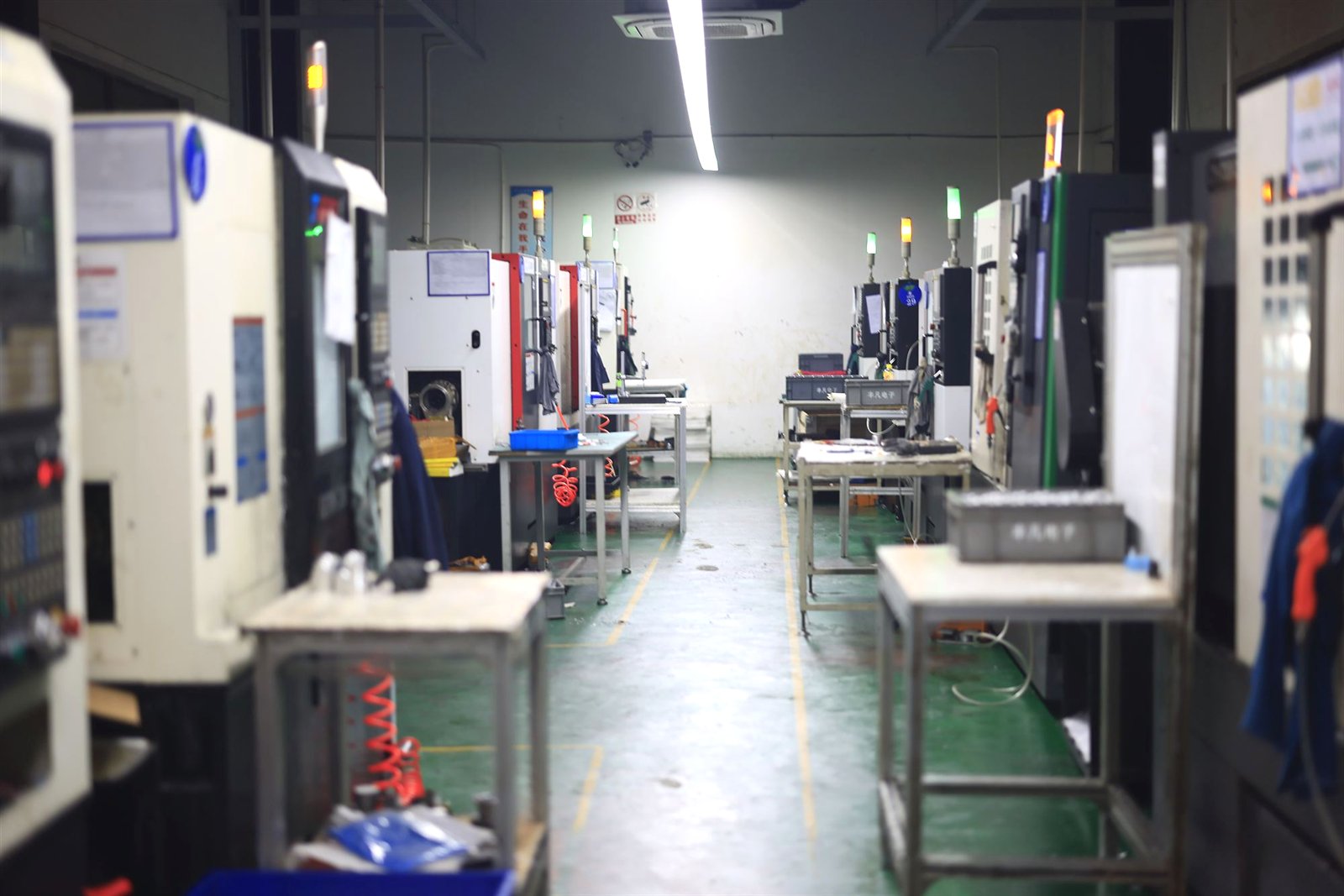
The Fengfan factory floor in Suzhou, where Fenva Precision orders are machined.
What changes when you buy direct from the factory
- Faster. Your questions reach the factory team that makes and inspects the part, with no outside broker in between.
- More straightforward. One conversation, one set of documents, one current revision of your drawing.
- Less guessing. Unclear points are confirmed with you, not decided on your behalf.
- Nothing lost in translation. What you write reaches the factory without passing through a third party.
- One accountable party. The company that quotes your part is the company that machines it, inspects it and stands behind it.
How Fenva fits
You're talking to the factory, not a broker.
Fenva Precision is the international division of Suzhou Fengfan Electronics Technology Co., Ltd. (苏州丰凡电子科技有限公司). Fengfan has been machining in Suzhou since 1994; Fenva Precision, its international division, launched in 2024 to serve customers worldwide. You can check us the way this guide suggests:
- Registration. Our registered name and USCC 91320506592586323T are published on our about page.
- Certificates in the factory's name. Our ISO 9001:2015, IATF 16949:2016 and AS9100D certificates are issued to the factory itself. See our certifications.
And because the factory quotes, machines and inspects your parts, the accountability stays in one place:
- Nonconforming parts are remade at our cost.
- Before shipment, you receive product photos and the inspection report.
- If a point on your print is unclear, we confirm it with you by email during production.
- Your quoted price holds when you send complete documents, both the 2D print and the 3D model, unless the drawing or quantity changes.
See how an order runs step by step in our ordering process, and how your drawings are handled in IP protection. For a wider view of sourcing, read sourcing CNC parts from China and how to get an accurate CNC quote.