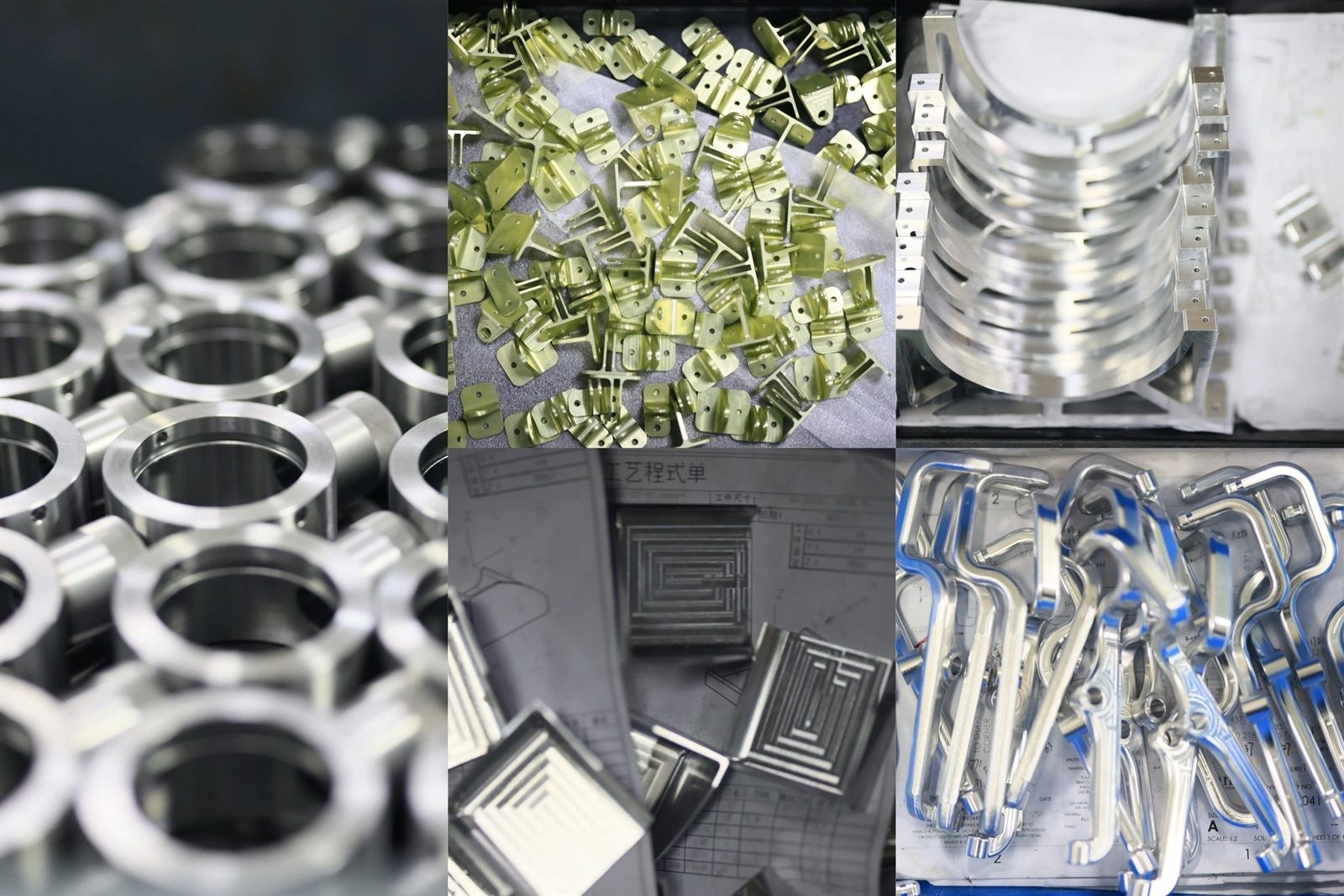
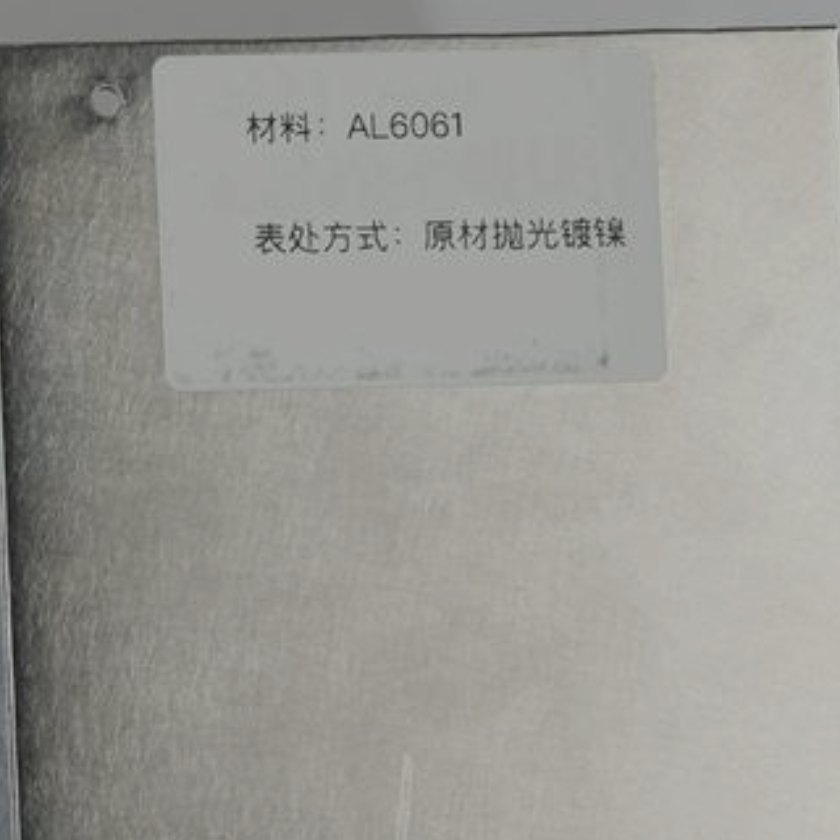
Nickel-plated aluminium sample plate with a uniform satin surface

表面处理指南

化学镀镍 vs 电镀镍,到底选哪种

"Nickel plating" refers to two distinct processes: electroless and electroplated. They behave differently, and the right choice depends on your part's geometry and how uniform the coating must be.

Side by side

Typical behaviour. We confirm it against your spec at quoting.
 Electroless nickel (ENP)Electroplated nickel
How it's depositedChemical (autocatalytic) bathElectric current
Thickness uniformityEven everywhere — bores, threads, recessesHeavy on edges, thin in recesses/bores
Typical thickness8–25 µm~5–40 µm (uneven)
HardnessHigh (higher after a high-temp bake)Moderate
CorrosionHighModerate–high
LookUniform satinBright, cosmetic
Cost$$$$$
Best forComplex parts, deep features, hardness, all-over thicknessSimple shapes, bright look, lower cost

Electroless (ENP)

Because the metal is deposited by a chemical reaction rather than by electric current, it builds the same thickness on every surface — the inside of a deep bore is coated as evenly as an outside edge. The deposit is a hard, wear-resistant nickel-phosphorus alloy, and a high-temperature bake (~340–400 °C) hardens it further still — though on age-hardened aluminium like 6061/7075 the bake is kept low to protect the temper, so there it mainly improves adhesion and relieves stress. That makes electroless the right choice for complex geometry and for any part where the plated thickness has to stay in tolerance everywhere.

Electroplated

Electroplating is faster, lower in cost, and produces a bright, cosmetic finish. The limitation is inherent to the process: the electric current concentrates on edges and corners, so the coating builds up thick there and remains thin inside bores and recesses. It suits simple shapes where appearance or cost is the priority.

Plating aluminium

Aluminium grades like 6061 and 7075 won't accept nickel directly — they need a pre-treatment called a zincate step that prepares the surface for either process. We confirm the exact spec at quoting.

Coatings mirror the surface: plating reproduces the texture beneath it. A part finished at Ra 1.6 remains Ra 1.6 after nickel — tool marks included. For a smoother result, we polish or brush the part before plating rather than after.
From our floor: when a part has deep bores or threads that must hold tolerance after plating, electroless is the better choice — there is no edge build-up to mask off or grind back.

Three quick mistakes

  • Expecting plating to smooth a rough surface — it mirrors what's underneath, so finish the part first.
  • Not stating a thickness or a spec — for electroless nickel, call out ASTM B733.
  • Forgetting that the coating adds thickness — it eats into tight bores and close fits.

Quick rule

Complex geometry, uniform coverage, or hardness → electroless. Simple shape, a bright look, or lower cost → electroplated.

Send your part — we'll recommend the right plating See the Finish Library

镀镍工艺主要分为化学镀电镀两类。两者性能表现各异,具体选择取决于零件几何结构及对镀层均匀性的要求。

一表看懂

常见表现,报价时按您的规格核对。
对比项化学镀镍(ENP)电镀镍
沉积方式化学(自催化)镀液电流驱动
厚度均匀性处处均匀,含内孔、螺纹、凹槽棱边偏厚、凹处与内孔偏薄
常用厚度8–25 µm约 5–40 µm(不均)
硬度高(高温烘烤后更高)中等
耐蚀中至高
外观均匀缎面光亮、装饰用
成本$$$$$
适用复杂件、深孔、需硬度、全面均厚简单件、要光亮、低成本

化学镀镍(ENP)

该工艺依靠化学反应而非电流沉积,因此能确保各表面厚度一致,内孔与外缘镀层厚度相同。作为镍磷合金,其硬度高、耐磨性好;经高温热处理(约 340–400°C)后硬度可进一步提升,而 6061/7075 等时效强化铝合金须采用低温烘烤以保护回火状态,主要用于增强结合力、消除应力,而非提升硬度。对于几何结构复杂或要求镀后厚度全程符合公差的零件,化学镀镍是首选方案。

电镀镍

电镀镍速度更快、成本更低,且镀层光亮美观。但由于电流易集中在棱边和角落,导致厚度分布不均,内孔处镀层往往偏薄。适用于形状简单、侧重外观效果或成本控制的零件。

铝件镀镍说明

铝材(如 6061、7075)无法直接镀镍,需先做锌酸盐活化等前处理,为后续两种工艺打好基础。具体技术规范我们会在报价阶段确认。

涂层复制底层:镀层会复制底层表面 —— Ra 1.6 镀后仍为 Ra 1.6,原有刀纹同样保留。如需更光滑的表面,建议在镀前完成抛光或拉丝,而非镀后处理。
车间经验:深孔件、螺纹件需在镀后保持全长公差达标时,化学镀镍更可靠,不会在棱边产生堆积、再额外打磨修整。

三个常见误区

  • 期望镀层掩盖粗糙表面——镀层会如实复刻基体纹理,应先将零件表面加工光洁。
  • 未注明厚度或技术标准——例如化学镀镍应参照 ASTM B733 标准。
  • 忽略镀层会增加厚度——这将影响紧公差内孔及配合部位的尺寸精度。

选型建议

复杂几何 / 需均匀镀层 / 需高硬度 → 化学镀镍;简单件 / 需光亮外观 / 控制成本 → 电镀镍

发送图纸,报价时提供镀层选型建议 查看表面处理图库
Nickel-plated CNC parts in protective foam packaging

选对镀镍工艺

报价时一并给出镀层建议。

请提供零件和技术要求,我们将协助您选择化学镀镍或电镀镍,48 小时内报价。