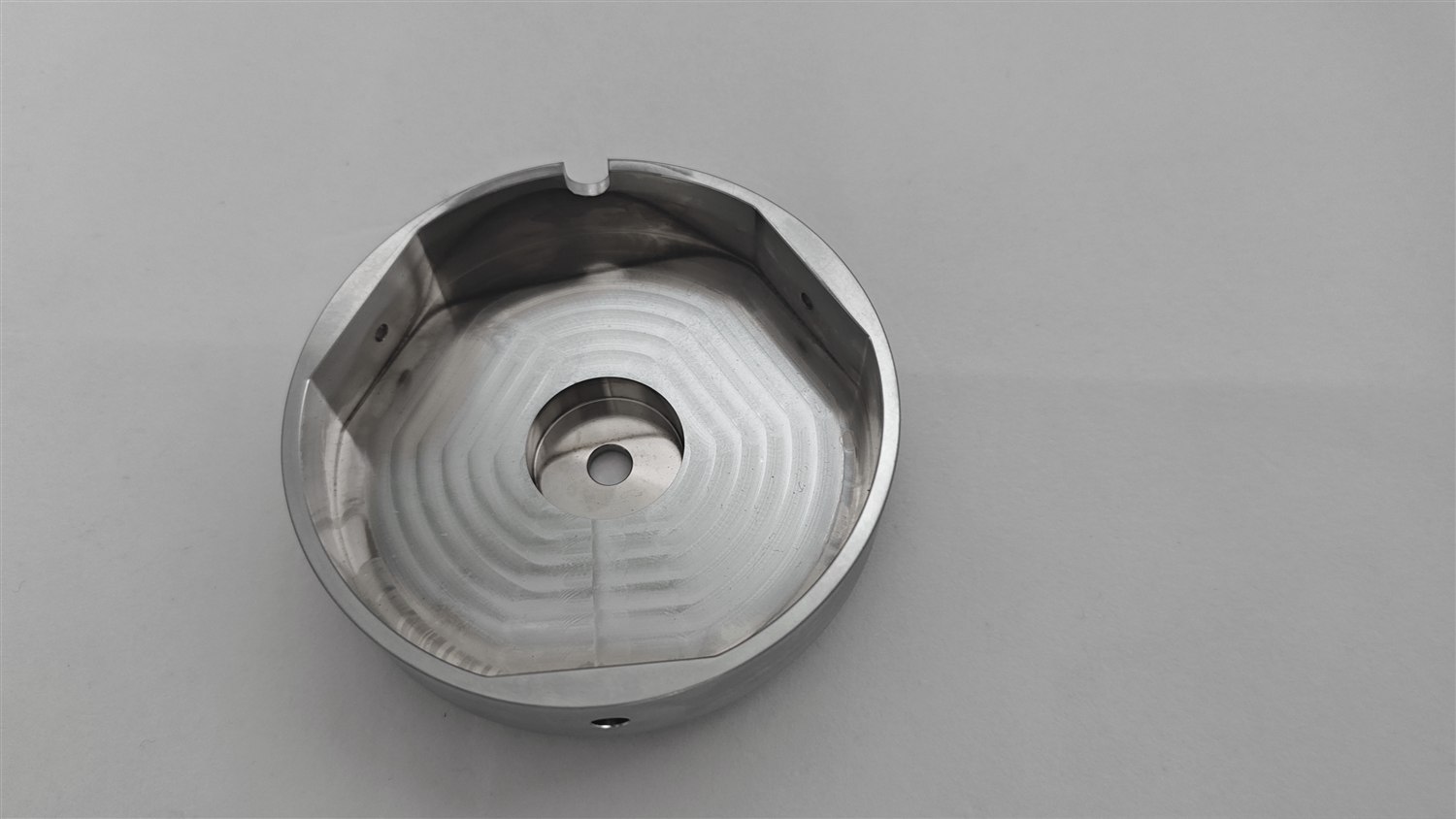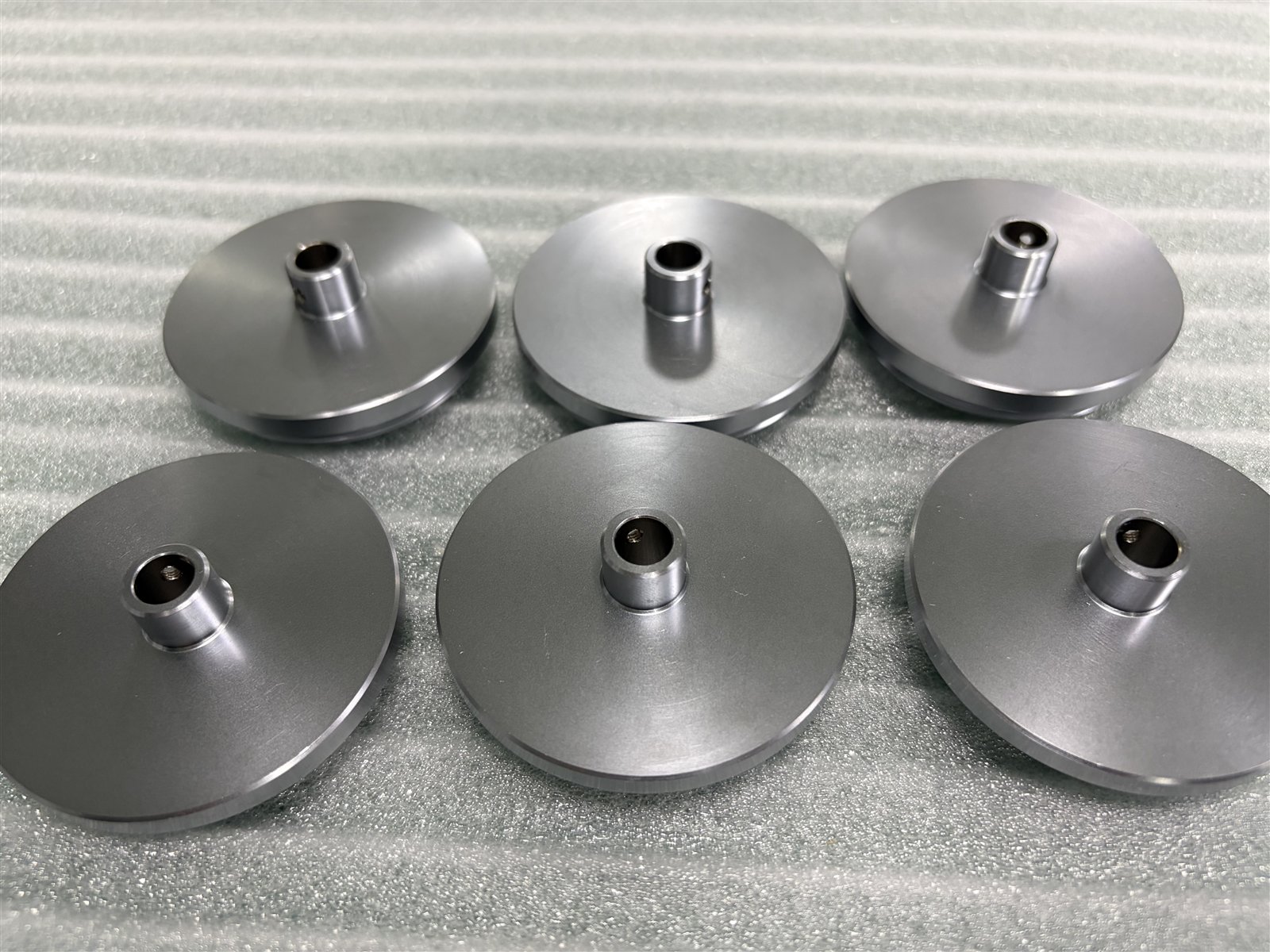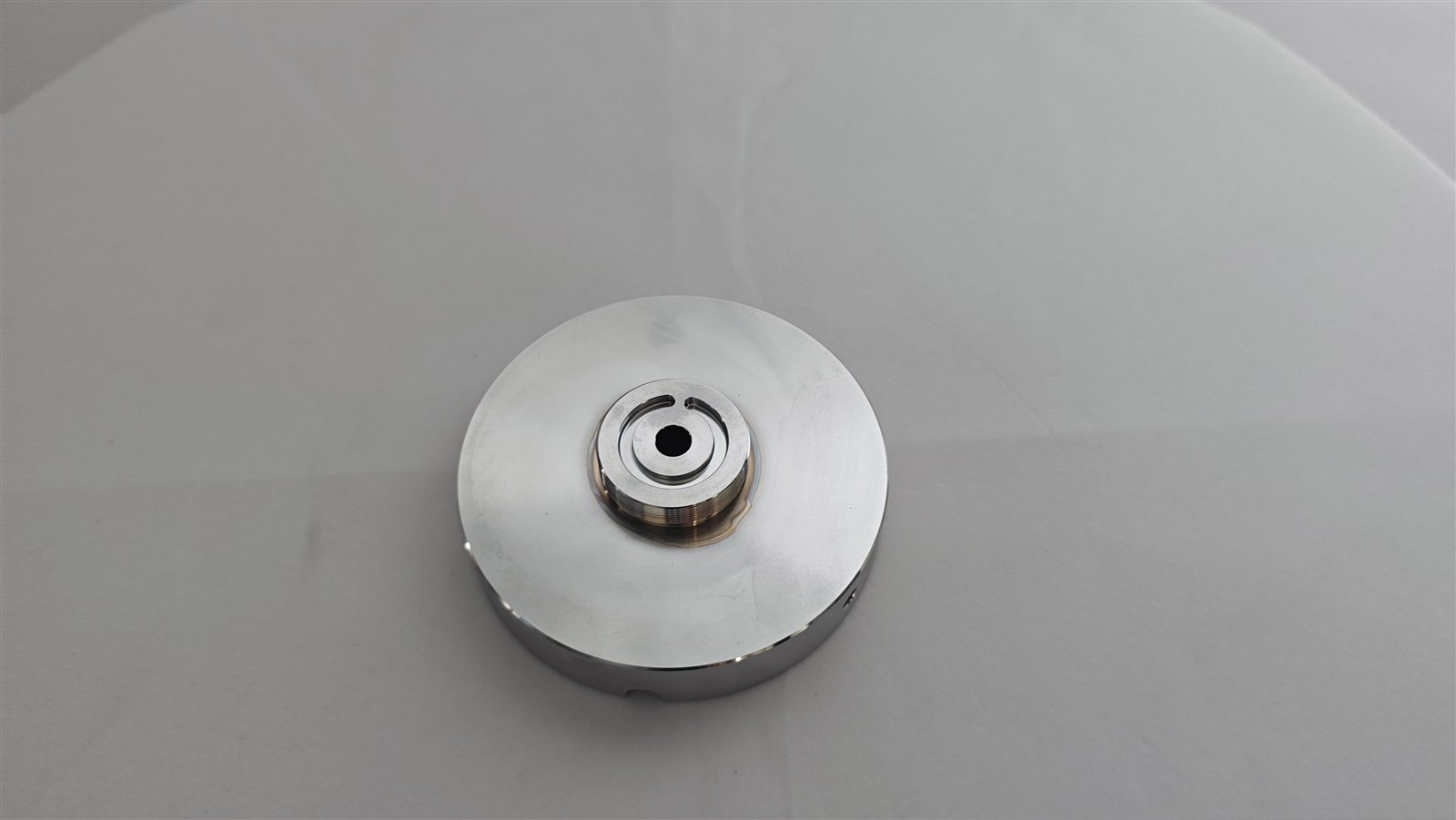
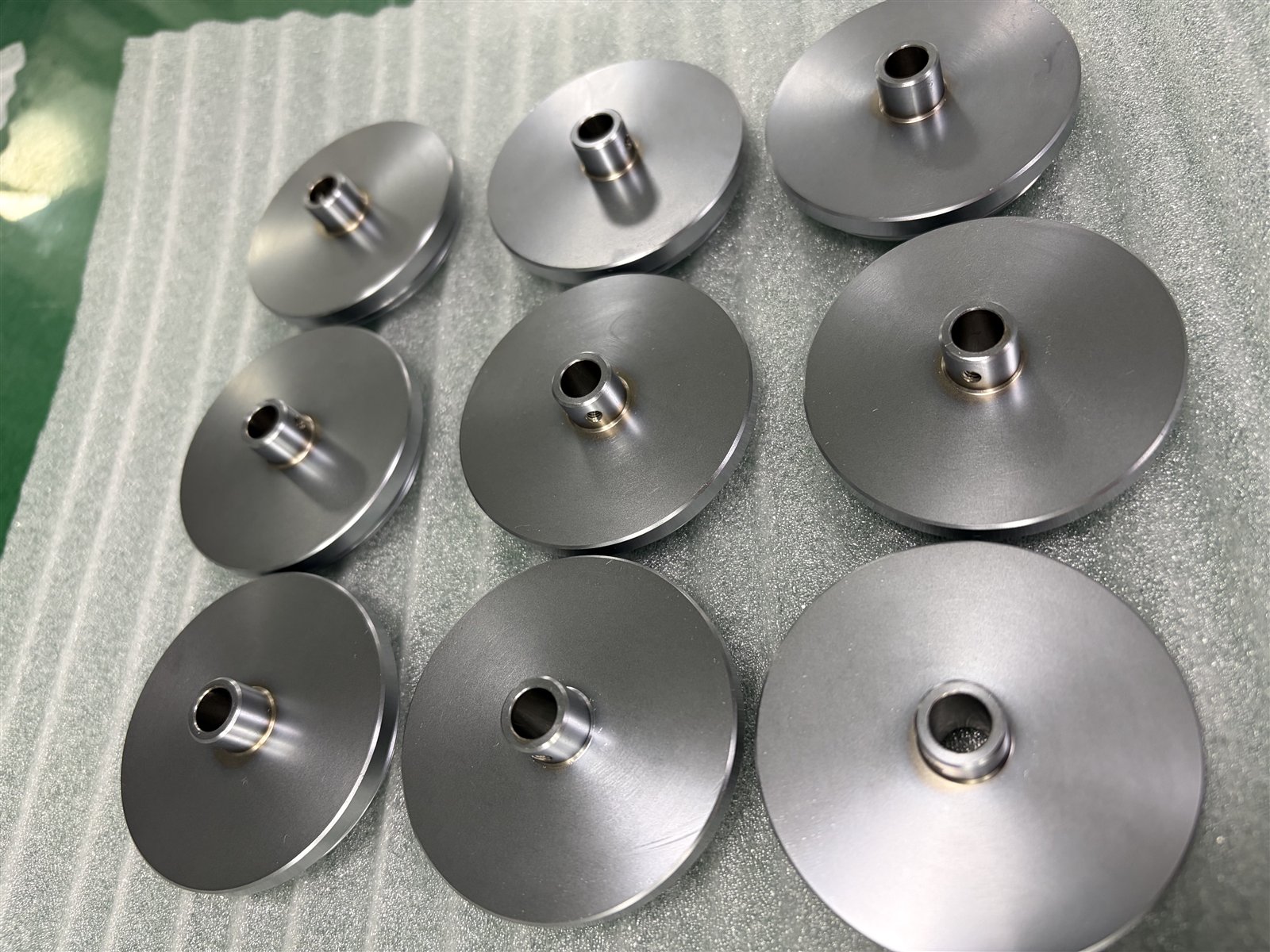
Group of finished chrome-plated 6061 aluminium parts from this project

案例 · DFM

不锈钢改铝:成本降约三分之二,外观一致

−⅔
单件成本下降
~€120 → ~€40
重量约为不锈钢的三分之一
~2.7 vs ~8.0 g/cm³
100%
外观如一,镀铬防腐
镀铬处理

A German customer came to us with a visible, non-structural part designed in 304 stainless steel, chosen purely for its bright, premium appearance. At roughly €120 each, it was expensive to machine and heavy to ship. A DFM review let us re-engineer it in chrome-plated 6061 aluminium that matches the stainless look exactly, cutting the unit cost by about two-thirds.

The brief

The part was cosmetic and carried no structural load. The customer had specified 304 stainless steel for one reason, the look: a bright, cool, premium surface. That surface was the real product requirement. Because the part is exposed in use, corrosion resistance mattered too.

What the DFM review found

Stainless is one of the slowest, most tool-intensive materials to machine, and it is dense, around 8.0 g/cm³. This part, however, required no steel for strength. The genuine requirements were appearance and corrosion resistance, not the material itself, which opened a more cost-effective route to the same result.

The insight: the drawing specified "stainless," but the actual requirement was "looks like stainless, and resists corrosion." Separating the material from the requirement reveals a more cost-effective path to the same result.

What we proposed

Machine the part in 6061 aluminium, then apply a chrome-plated finish that reproduces the stainless look. Aluminium cuts far faster and cheaper, weighs about a third as much (~2.7 g/cm³), and, once chrome-plated, resists corrosion in service. The finished part is visually indistinguishable from the 304 original.

Matching the finish, two kinds of chrome

Chrome plating is not a single appearance, so we offered two options. Decorative chrome is brighter and more silver, with a near-mirror shine. Functional chrome is a harder, wear-oriented plating; as plated it has a softer, lower-gloss grey that reads much like satin stainless steel. Because the customer's reference was 304 stainless, they selected functional chrome; decorative chrome remains available whenever a brighter, higher-shine finish is preferred.

Two chrome finishes, matched to the look the part needs.
Chrome finishLookReads like
Decorative chromeBright, silvery, near-mirrorPolished chrome trim
Functional chromeHarder, wear-oriented, lower-gloss greySatin / brushed stainless

Where the savings came from

Three independent savings, one re-engineered part.
SourceWhy the cost dropped
MachiningAluminium cuts far faster than stainless, shorter cycle times and far less tool wear.
MaterialAluminium stock is cheaper per kilo than stainless, and the part uses about a third the mass, so raw-material cost falls on both counts.
ShippingAbout one-third the weight: lower freight, and a larger saving on air shipments.

Net result: unit cost fell from ~€120 to ~€40 per part, a reduction of about two-thirds, with the same appearance and corrosion-resistant chrome plating.

Where this trade applies: this substitution suits cosmetic, low-wear parts where the surface is the requirement. For load-bearing or high-abrasion parts, or where through-thickness corrosion resistance matters, stainless can still be the correct choice, and we will advise accordingly.
The takeaway: this is precisely what a DFM review delivers. We look past the material named on the drawing to the real requirement (here, appearance and corrosion resistance) and identify a more cost-effective path to the same result. Same appearance, corrosion protected, at about a third of the cost.
Send your drawing, quote in 48 hours More on DFM

一家德国客户向我们咨询一款非结构外观件,原设计采用304 不锈钢,纯粹是为了追求明亮、高级的视觉效果。该方案单件成本约120 欧元,加工成本高,零件偏重、运费也高。经过 DFM 评审,我们将其重新设计为镀铬 6061 铝合金,在还原不锈钢外观的同时,将单件成本大幅降低约三分之二。

客户需求

该零件为非受力外观件。客户指定304 不锈钢,原因仅在于外观:追求明亮、偏冷、有高级感的金属表面。这种视觉呈现才是真正的核心需求。此外,零件在使用中外露,耐腐蚀同样是必要要求。

DFM 评审发现

不锈钢属于加工效率较低的材料,切削速度慢、刀具损耗大,且密度较高(约 8.0 g/cm³)。但该零件无需依赖钢材的高强度,其核心诉求在于外观与耐腐蚀性,而非材料本身。由此便有了在保证同样效果的前提下进一步降低成本的空间。

关键洞察:图纸标注的是「不锈钢」,但真正的要求是「外观接近不锈钢、且耐腐蚀」。一旦将材料与真实需求区分开来,更具性价比的方案便随之显现。

我们的方案

我们采用6061 铝合金进行机加工,随后镀铬处理,复现不锈钢的外观。铝合金切削加工效率更高、成本更低,重量仅为不锈钢的三分之一(密度约 2.7 g/cm³),且镀铬后耐腐蚀性能优异。成品外观与原 304 不锈钢件几乎无差别。

匹配外观:两种镀铬

镀铬工艺并非单一效果,我们为此提供两种方案。装饰铬色泽更亮、偏银白,呈现近似镜面的光泽;功能铬镀层硬度更高、更耐磨,呈现柔和的低光泽灰,质感接近哑光(拉丝)不锈钢。由于客户的参照标准为 304 不锈钢,最终选用了功能铬;若后续需要更高亮、更具视觉表现力的外观,装饰铬同样是理想的备选方案。

两种镀铬:依据零件所需外观选择。
镀铬类型外观观感近似
装饰铬明亮、银亮、近镜面抛光镀铬饰条
功能铬更硬、耐磨、低光泽灰哑光/拉丝不锈钢

成本下降来自三处

一次再设计,三项独立节省。
来源降本原因
加工铝比不锈钢切削快得多,工时更短、刀具损耗远小。
材料铝料每公斤单价低于不锈钢,且零件用料约为三分之一,原材料成本从单价和用量两方面同时下降。
运输重量约为三分之一,运费更低,空运尤为明显。

最终成效:在保持外观一致、镀铬耐腐蚀的前提下,单件成本从约 120 欧元降到约 40 欧元,降幅达约三分之二

适用范围:这种替代方案适用于以外观为核心、受力小、磨损低的零件。对于承力件、强磨损件,或需要整体(而非镀层)耐腐蚀的零件,不锈钢仍可能更为合适 —— 我们会据实给出建议。
启示:这正是 DFM 评审的价值所在。我们不止于图纸标注的材料,而是深入到其背后真正的需求(此处即外观与耐腐蚀),进而找到以更低成本实现同样效果的路径。外观一致、镀铬防护,成本仅约三分之一。
发送图纸,48 小时内报价 了解 DFM
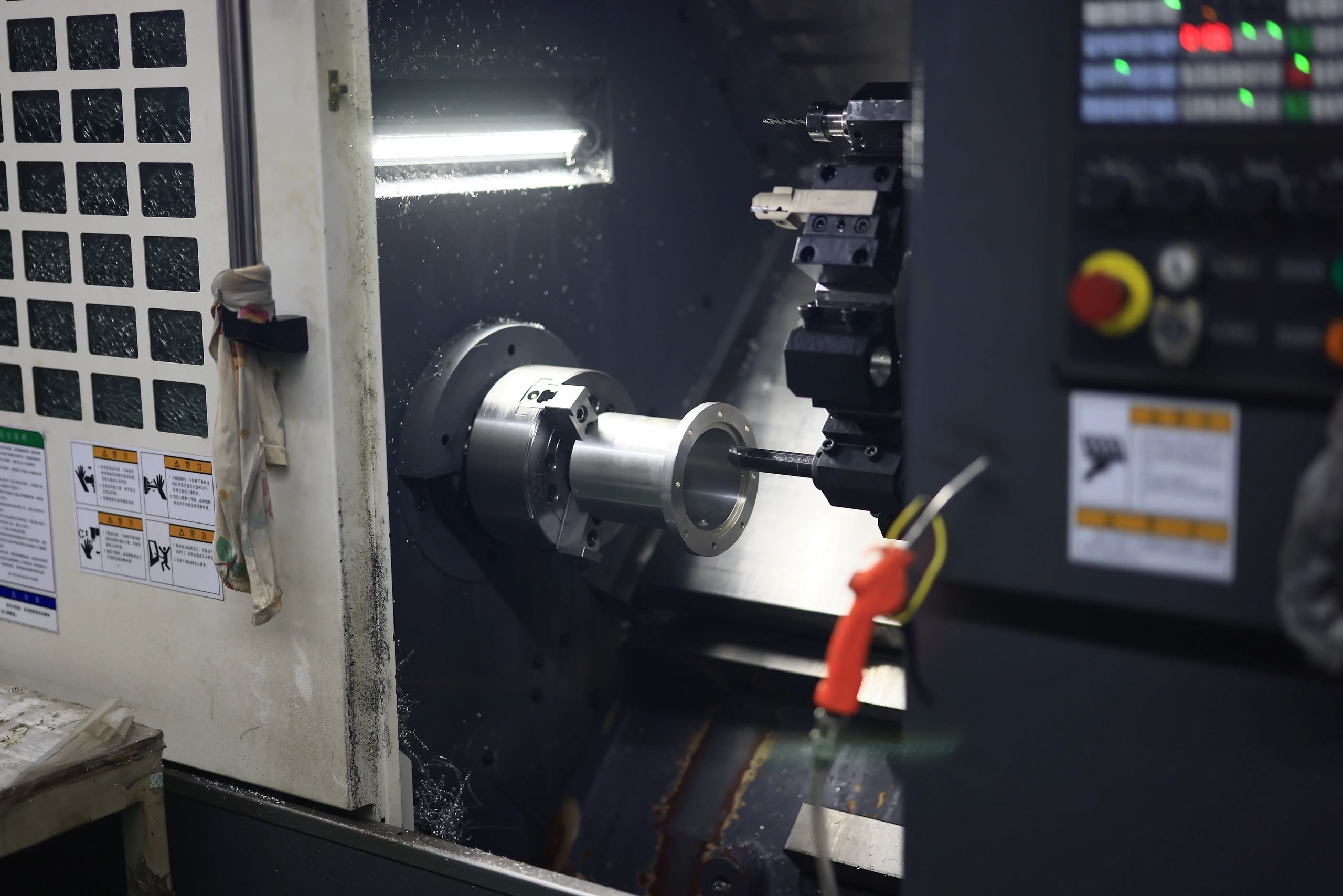
CNC turning on the Fenva Precision production floor

每次报价都含 DFM

发送图纸,这类省钱空间我们会主动帮您找出来。

每次报价都含加工可行性评审。若有更低成本达到同样效果的路径,我们会告诉您 —— 并在 48 小时内报价。