
Finishes for aluminum
As-machined, bead blast, brushed, clear and colour anodizing (Type II), hard anodizing (Type III), and chromate conversion.
See the Finish Library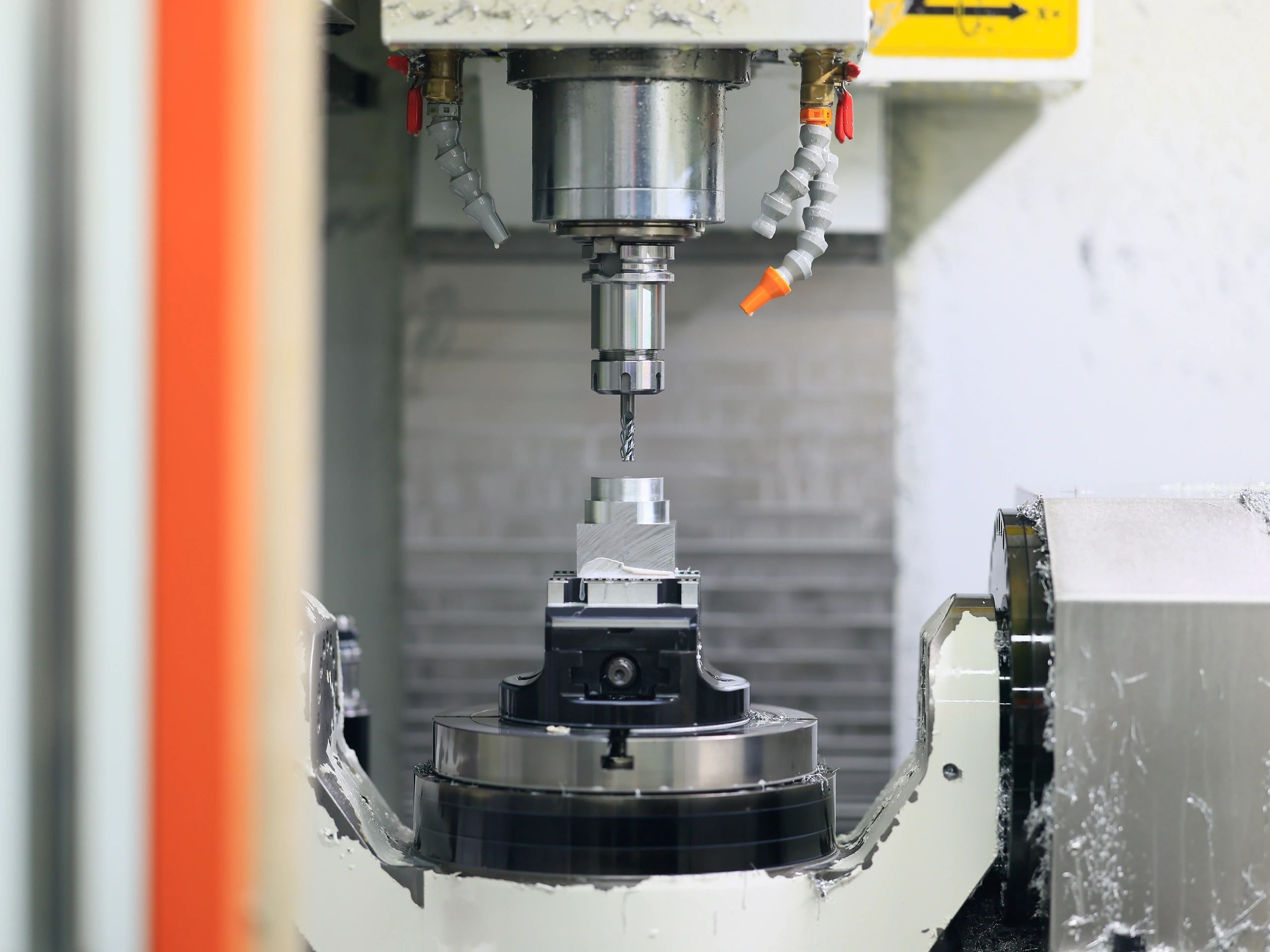
Materials · CNC machining
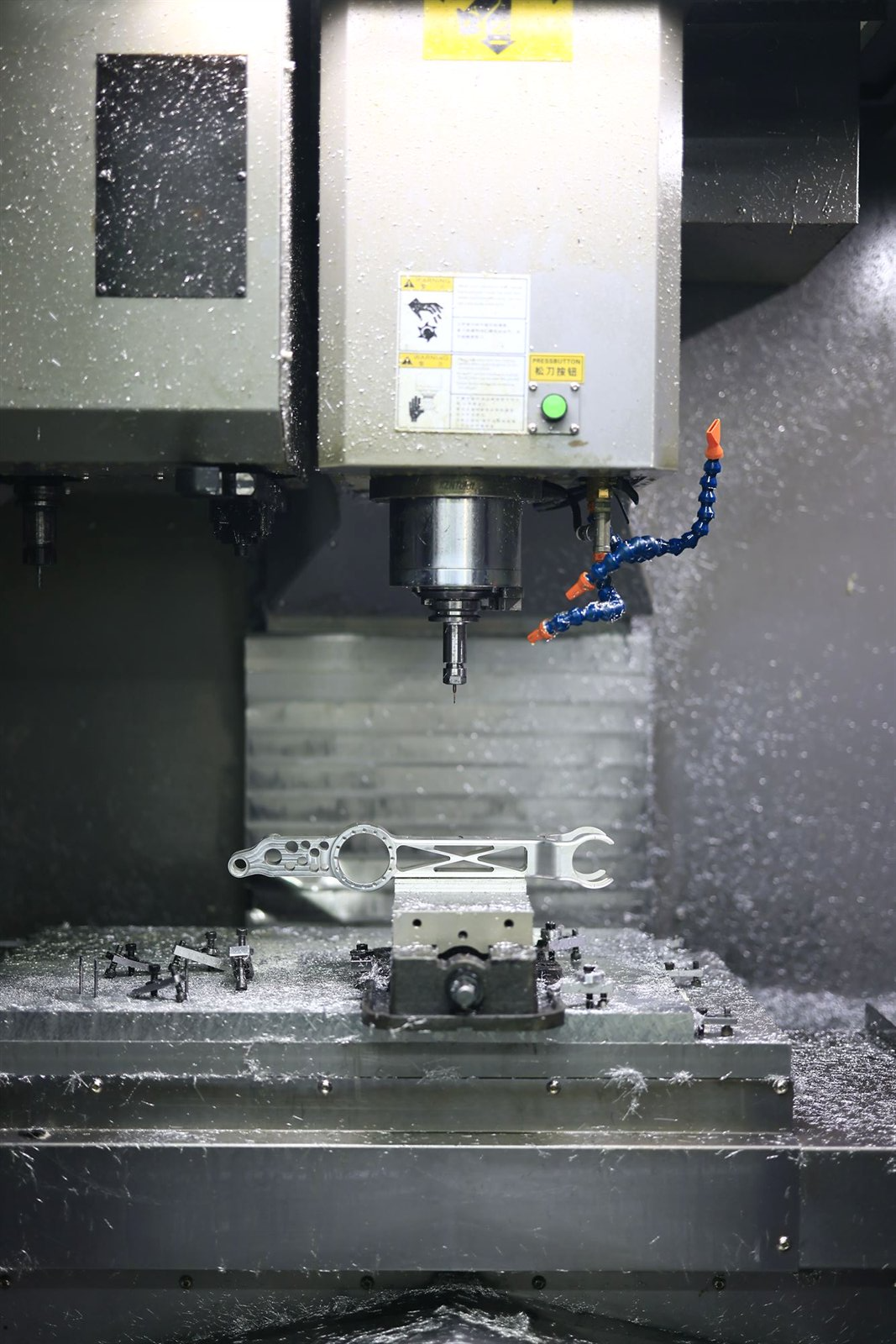
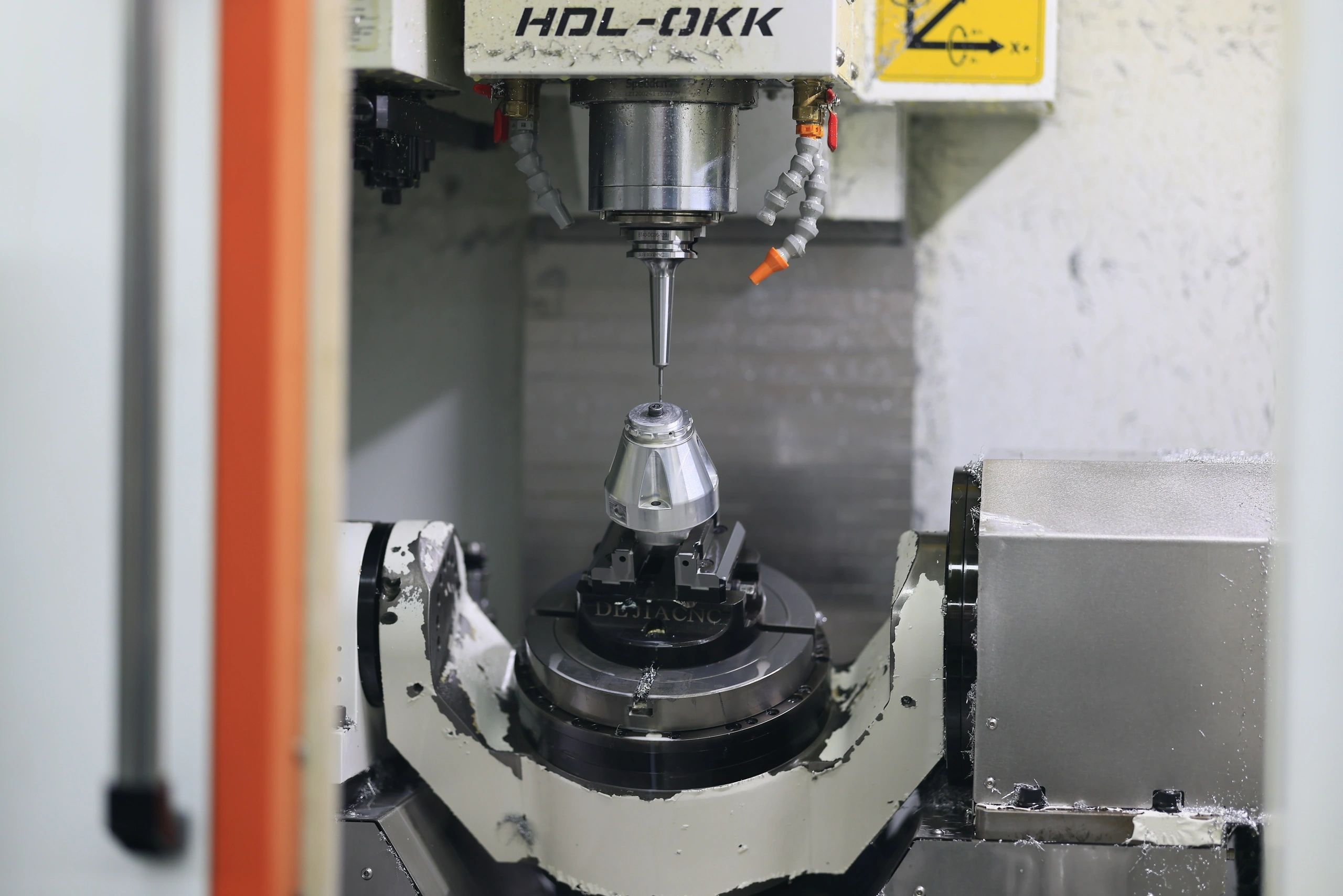
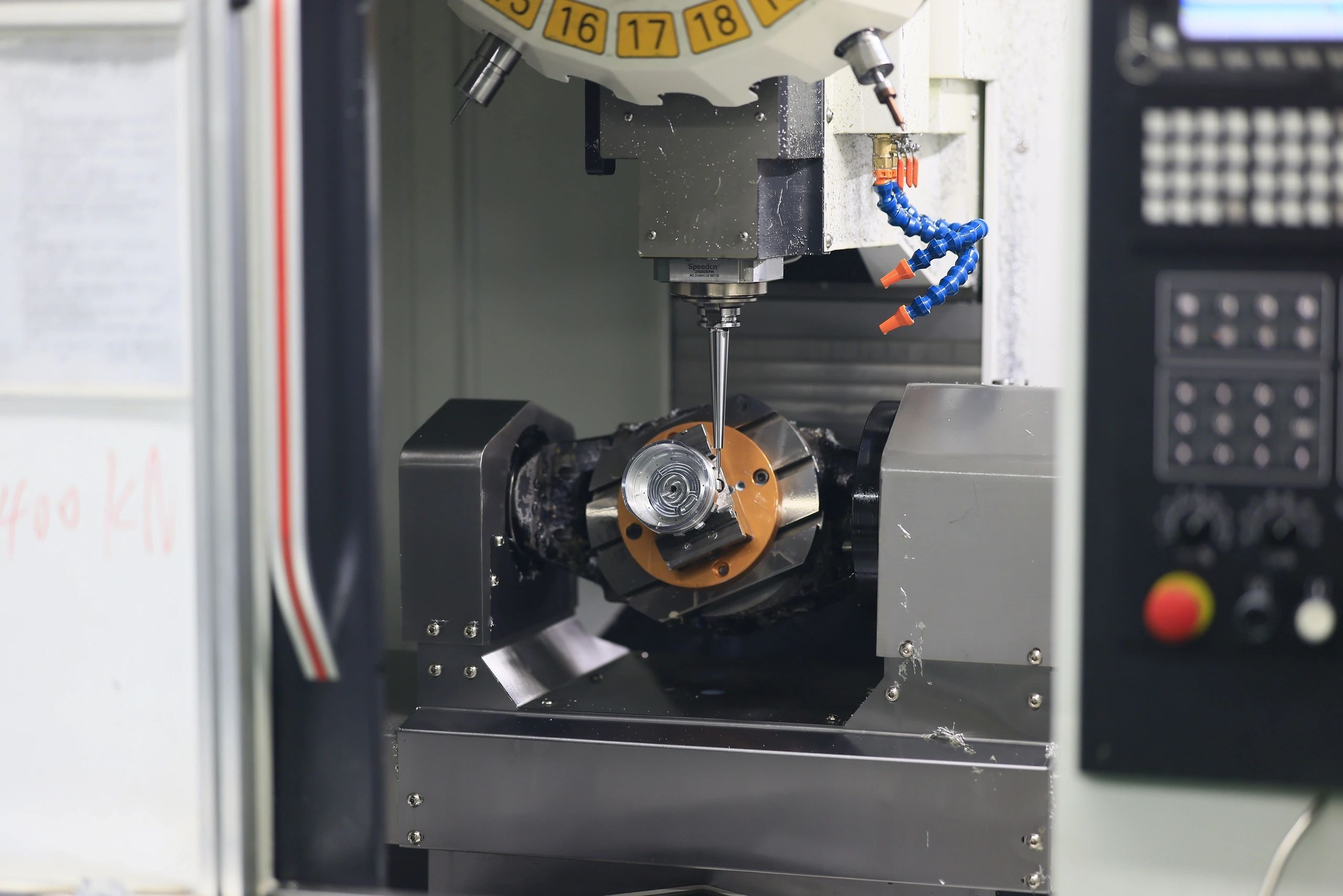
Aluminum (aluminium) is what we machine most. Custom 6061, 7075, 7050 and 6082 parts, milled and turned to your drawing on 3-, 4- and 5-axis equipment at our factory in China, inspected in-house, AS9100D certified.
Machining range
Aluminum is Fenva's deepest material strength.
At a glance
As-machined, bead blast, brushed, clear and colour anodizing (Type II), hard anodizing (Type III), and chromate conversion.
See the Finish LibraryCommercial aerospace and UAV, robotics and automation, EV and automotive, components for medical and lab equipment, and consumer electronics.
Industries we serveGrades
| Grade | Temper | Why you pick it | Parts |
|---|---|---|---|
| 6061 | T6 | The all-rounder: strong enough, weldable, anodizes cleanly, economical | Brackets, housings, plates, fixtures |
| 7075 | T6 / T651 | Highest strength aluminum, near steel strength-to-weight | Aerospace structure, UAV fittings, high-load brackets |
| 7050 | T7451 | High strength with better stress-corrosion resistance in thick plate | Aerospace plate, structural frames |
| 2024 | T3 / T351 | High-strength aerospace 2xxx, excellent fatigue resistance | Aerospace structure, fittings, fatigue-critical parts |
| 6082 | T6 | Structural grade, strong and corrosion resistant (common in Europe) | Frames, mounts, structural components |
| 5052 / 5083 | H32 | Marine and formability grades, excellent corrosion resistance | Enclosures, plates, marine hardware |
These are the aluminum grades we run most often. We also machine other grades on request.
Processes
The part's geometry decides the route. We choose it from your print and confirm it on the quote.
| Process | Parts and details |
|---|---|
Milled aluminum parts |
|
Turned aluminum parts |
|
Machining aluminum extrusions |
|
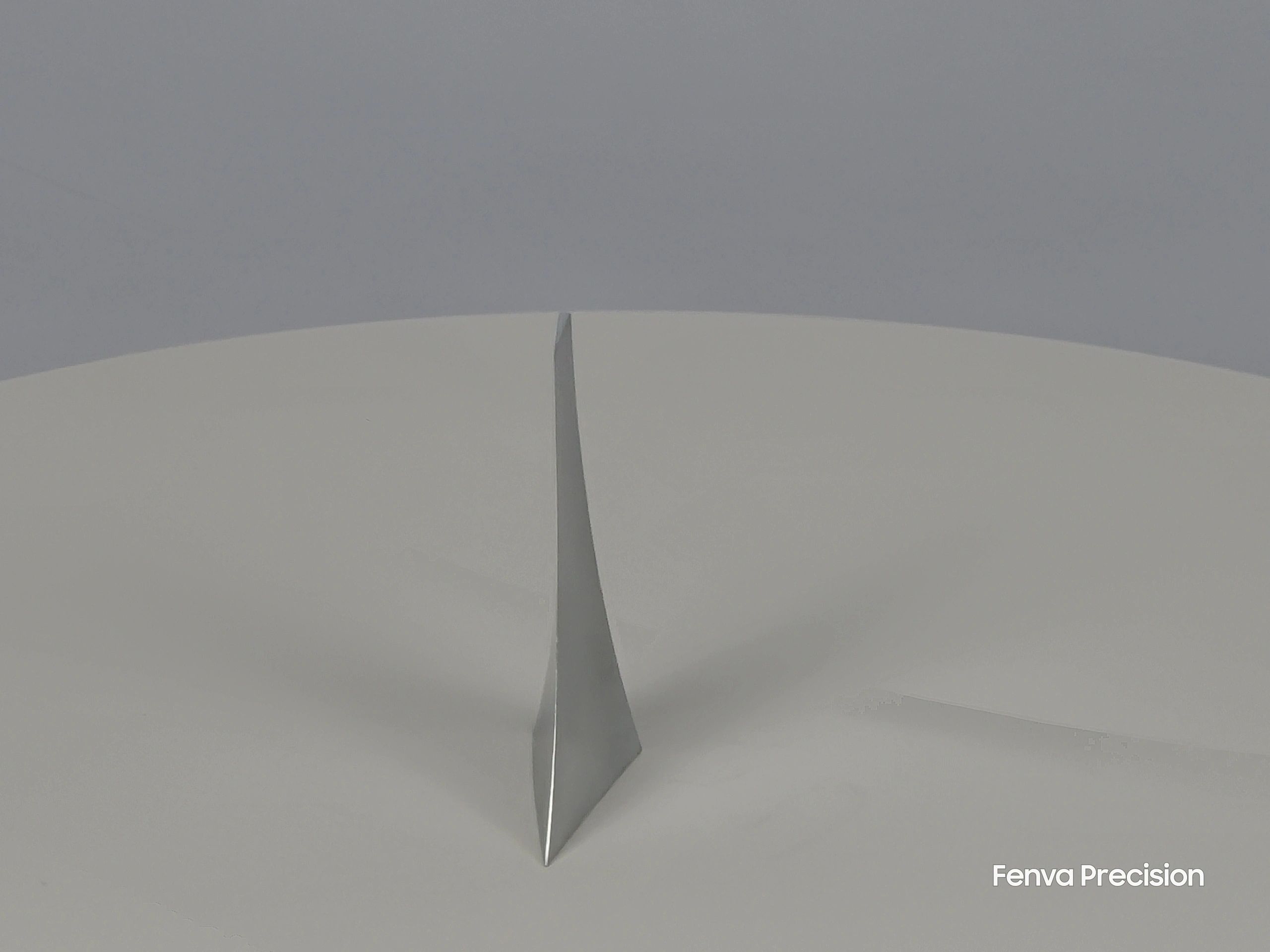
Thin-wall aluminum parts |
|
Aluminum buyer concerns
How thin can aluminum walls go?
About 1 mm is a comfortable minimum for aluminum walls and floors. Walls down to about 0.5 mm are feasible on short sections at extra cost; the wall's height-to-thickness ratio sets the real limit, and we confirm it at the DFM review after you order.
Thin-wall aluminum machining →Can you prove what material went into our parts?
Raw material arrives with an MTC, is stored in our material bins and issued to the machine, so every machined batch is traceable. EN 10204 3.1 material certificates are available on request.
Material traceability →Will we see what was actually measured?
Every order gets first-article, in-process and final inspection. The inspection report and product photos ship with the order; dimensional, CMM and first-article reports are available on request.
Download a sample inspection report (PDF) →What if our print has an unclear point?
If machining turns up a point on the print that is unclear, we confirm it with you by email, with the print marked up. We don't pick the easiest interpretation.
Engineering support →Production parts
Material and finish are taken from our production records.
Aluminum is the largest share of what customers order from us: about six in ten part numbers in our order records are aluminum, most of them 6061, followed by 6082. In the aluminum quote requests we have priced, 6061 leads by a wide margin, with 7075 and 7050 next.
Why Fenva
AS9100D, ISO 9001 and IATF 16949, not just ISO 9001.
No minimum order. The same drawing and the same inspection from one piece to a full batch.
One accountable, English-speaking contact in your timezone, with China-factory pricing.
Mini-FAQ
Yes. Aluminum is the material we machine most. We run 6061, 7075, 7050, 6082, 5052 and 5083, milled on 3-, 4- and 5-axis machining centres and turned on CNC lathes.
Both CNC milling machines and CNC lathes. We mill housings, brackets, plates and sculpted parts on 3-, 4- and 5-axis machining centres, and turn round parts such as shafts, pins and bushings on CNC lathes. The part's geometry decides which.
It depends on the part, so we quote from your drawing within 48 hours rather than publish a price list. The main cost drivers are the stock size the part starts from, how much detail is packed into it, how many dimensions carry tight tolerances, the number of setups, the finish, and the quantity, because programming and setup are spread across the batch. Among the common grades, 7075 material costs more than 6061.
What drives CNC machining costNo minimum order quantity. We take you from prototype through to batch production.
Prototypes typically take about 10 to 15 business days, production about 15 to 30 business days, quote in 48 hours.
Down to ±0.01 mm on critical features, with general dimensions to ISO 2768-m.
Yes, Type II clear and colour and Type III hard, in-house-managed.
About 1 mm is a comfortable minimum for aluminum walls and floors. Walls down to about 0.5 mm are feasible on short sections at extra cost; the wall's height-to-thickness ratio sets the real limit, and we confirm it at the DFM review after you order.
Thin-wall aluminum machiningBoth machine well. 6061 is the machinability benchmark among the grades we run; 7075 is also very good to machine, and its chips break cleanly. The bigger differences are strength, cost and finishing.
Yes. 7075 material costs more than 6061, so we recommend it where the part needs the extra strength, not as a precaution.
7075 is not suited to arc welding. If your part has to be welded, 6061 is the usual choice.
Get started
Upload your drawings and we quote within 48 hours, no minimum order.
An NDA is available on request.